

Periodontal Disease Treatment
It’s easy to think “periodontal disease is fine because it doesn’t hurt,” but by the time symptoms appear, the disease has often already progressed.
- Your gums bleed when you brush, or swell easily
- Your teeth feel loose, or you’re concerned about bad breath
Please talk to us, even just once.
Periodontal disease is a condition in which bacterial infection destroys the gums and the bone that supports your teeth (the jawbone). It’s said to affect around 80% of adults, and it’s the leading cause of tooth loss among Japanese people. Because it progresses quietly without pain, it isn’t unusual for people to lose teeth before they even realize what’s happening. 高田馬場歯科・矯正歯科 centers its care on basic periodontal treatment (scaling, SRP, and PMTC), with careful examination and treatment suited to each patient’s individual oral condition.
Table of Contents
What sets our periodontal treatment apart
Basic periodontal treatment, with care, step by step
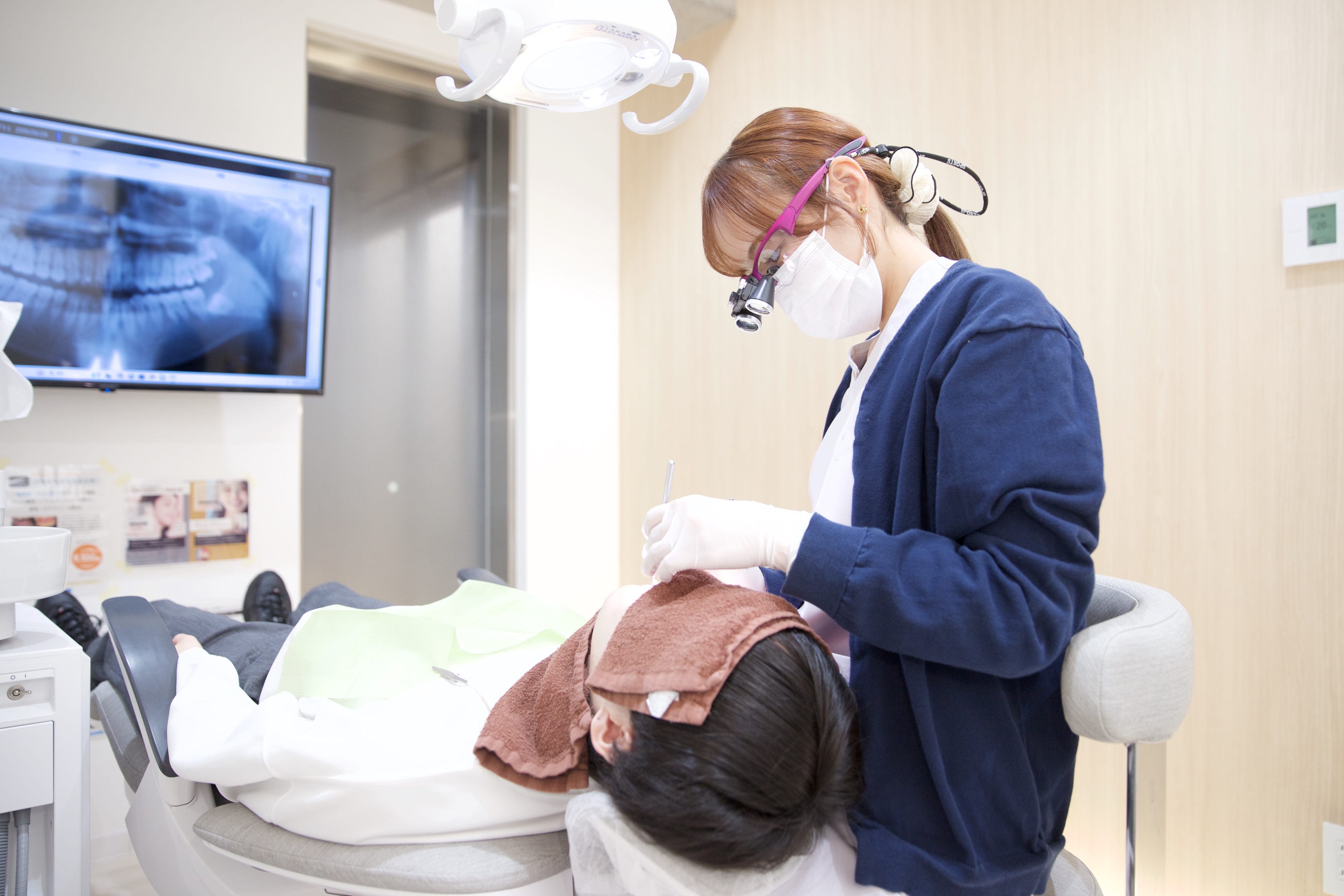
The basis of periodontal treatment is “basic periodontal treatment,” which removes tartar and plaque. By combining scaling (removing tartar), SRP (cleaning and smoothing the root surface), and professional tooth-surface cleaning with PMTC, we take the time to remove the clusters of bacteria (biofilm) that become a breeding ground for periodontal bacteria.
How well the treatment works depends on the precision of the procedure and on your own self-care at home. At our clinic, we value not just the procedures themselves but also giving you a careful explanation of correct brushing technique and everyday self-care.
A treatment plan proposed to match your condition
The severity of periodontal disease differs from patient to patient, ranging from mild gingivitis to severe periodontitis where a large amount of jawbone has already dissolved away. At your first visit, we closely assess your current condition based on the depth of your periodontal pockets and an X-ray examination, then explain the treatment process suited to your individual oral condition before proceeding.
Thinking about the importance of prevention together
Even once treatment is finished, periodontal disease carries a high risk of recurrence. We recommend a check-up every three months after treatment, continuously monitoring your oral condition as part of our effort to prevent it coming back. We also actively support maintaining your oral environment after treatment, through brushing guidance and cleaning with Airflow.
Periodontal disease is difficult to cure completely once you’ve developed it, but with the right treatment and daily self-care, it’s possible to keep protecting your teeth for a long time.
What kind of disease is periodontal disease?
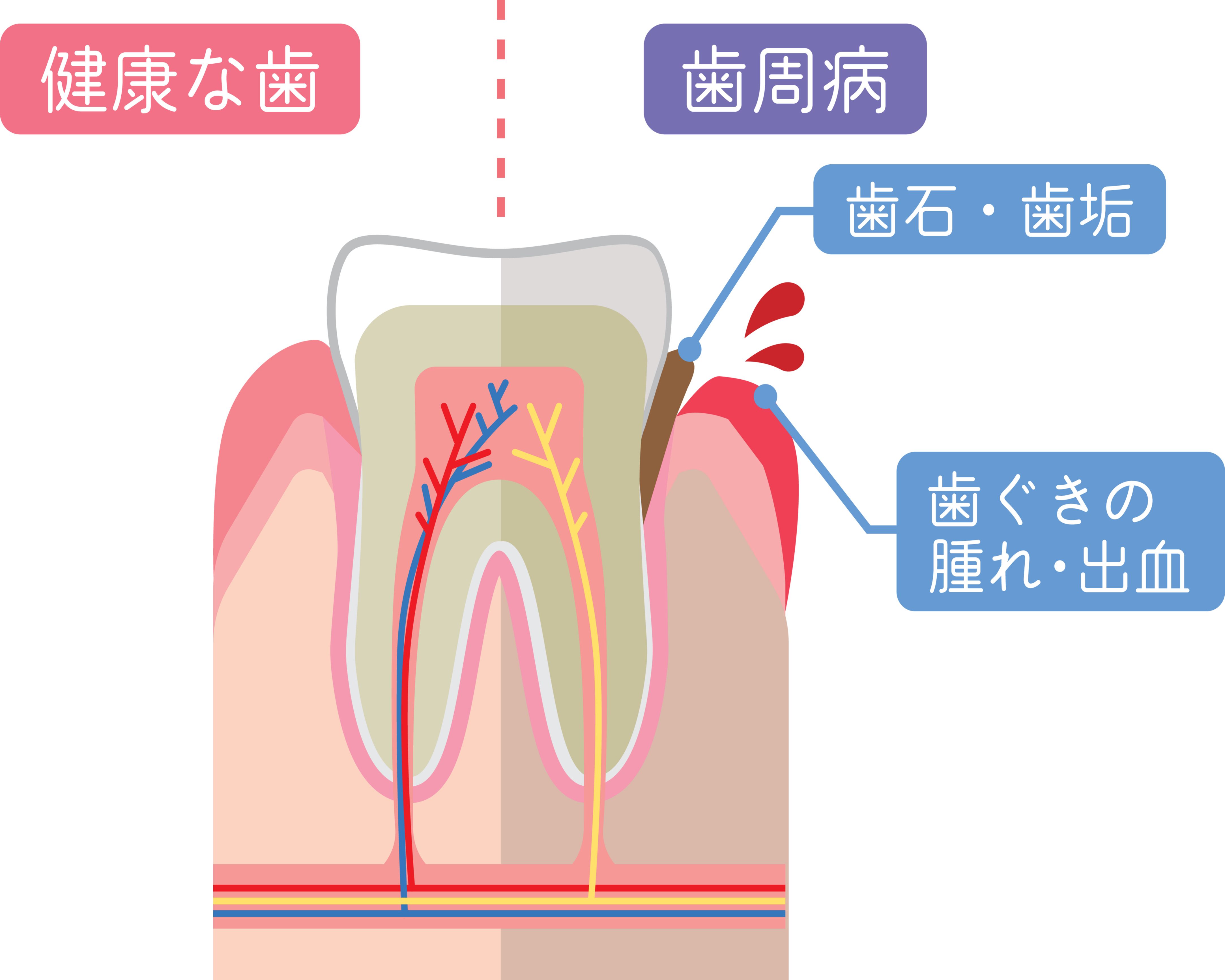
Periodontal disease is an infection caused by bacteria in the plaque that builds up where the teeth meet the gums. Toxins released by these bacteria cause inflammation of the gums, and if left untreated, the inflammation spreads to the bone that supports the teeth (the jawbone), eventually causing the tooth to fall out.
Periodontal disease progresses very slowly, and there’s almost no pain in its early to moderate stages. Because of this, by the time clear symptoms appear — such as loose teeth or pus coming from the gums — a large amount of bone has often already been lost.
The main cause of periodontal disease is plaque, but smoking, diabetes, stress, and a dry mouth are also known to raise the risk of developing it. Visiting the dentist regularly for professional cleaning is the most effective way to prevent it.
Stages of periodontal disease and their symptoms
Periodontal disease is broadly classified into “gingivitis” and “periodontitis,” with periodontitis then progressing through mild, moderate, and severe stages.
Gingivitis
Condition
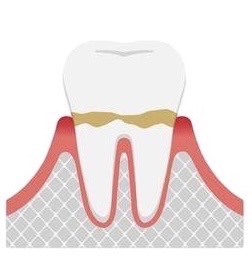
The stage where inflammation is limited to the gums. The bone isn’t affected yet.
Main symptoms
Bleeding when brushing, red or swollen gums.
Mild periodontitis
Condition
Periodontal pockets of around 3–4mm. Bone resorption begins.
Main symptoms
Swollen or bleeding gums, bad breath.
Moderate periodontitis

Condition
Periodontal pockets of around 4–6mm. Bone resorption progresses.
Main symptoms
Pus from the gums, a feeling of tooth looseness.
Severe periodontitis

Condition
Periodontal pockets of 6mm or more. Extensive bone resorption.
Main symptoms
Significant tooth looseness, pain, and a risk of the tooth falling out on its own.
At the gingivitis stage, improvement can be expected with the right treatment and self-care. But once it progresses to periodontitis, it becomes difficult to fully recover bone that’s already been lost. Early detection and early treatment are the best way to protect your teeth.
The link between periodontal disease and conditions elsewhere in the body
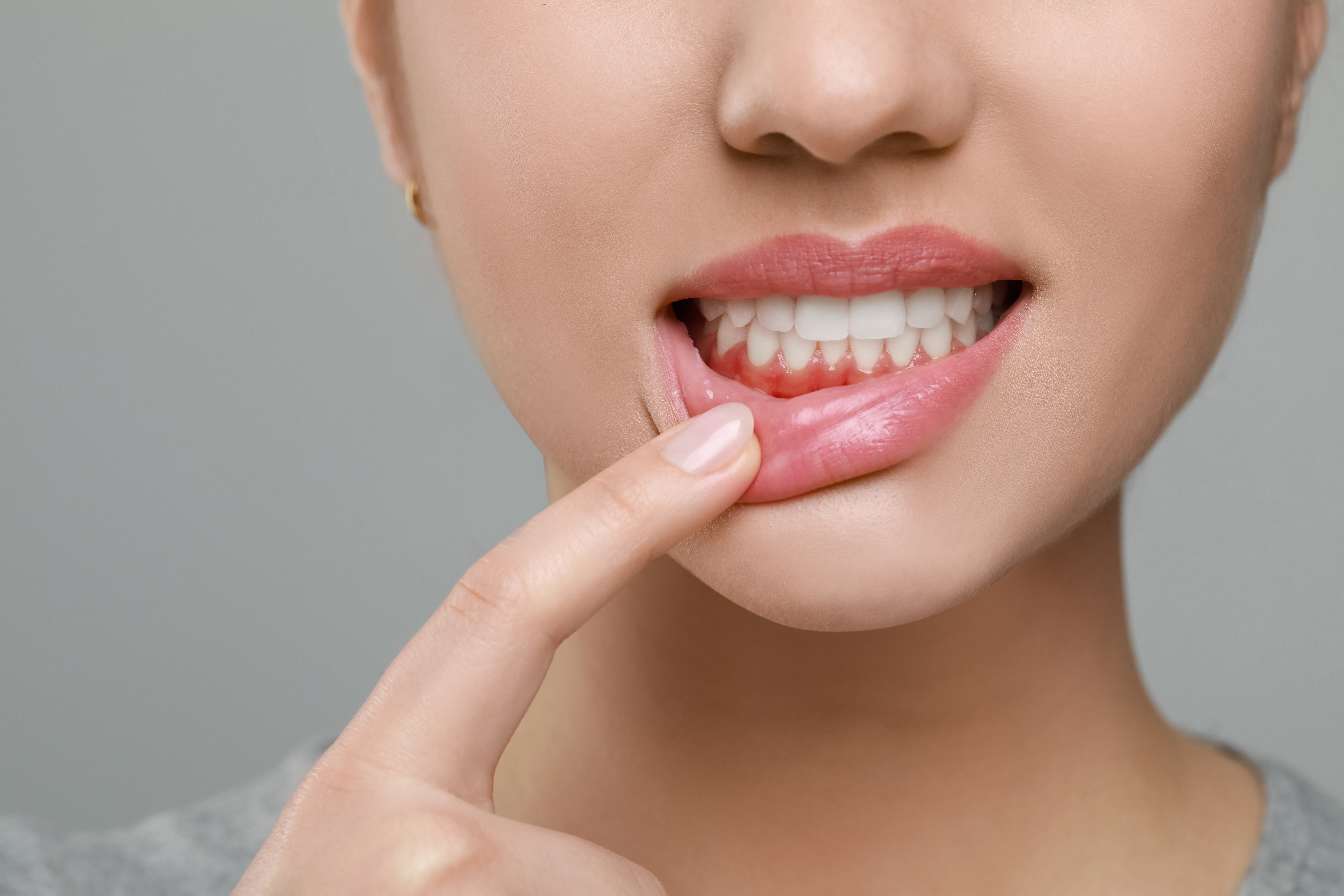
What makes periodontal disease concerning is that its effects aren’t limited to the mouth. Research has shown that periodontal bacteria and inflammatory substances can travel through the bloodstream and spread throughout the body, affecting a range of systemic conditions.
Diabetes is said to have a particularly close relationship with periodontal disease. As periodontal disease worsens, blood-sugar control becomes harder, and having diabetes, in turn, makes periodontal disease more likely to progress — a relationship in which each condition can worsen the other. Links have also been reported with heart disease, stroke, aspiration pneumonia, and an increased risk of preterm birth during pregnancy.
“Healthy teeth lead to a healthy body” is far from an exaggeration. Visiting the dentist regularly in the Takadanobaba area and keeping your mouth in good condition also helps prevent systemic disease in the future.
The process for our periodontal disease treatment
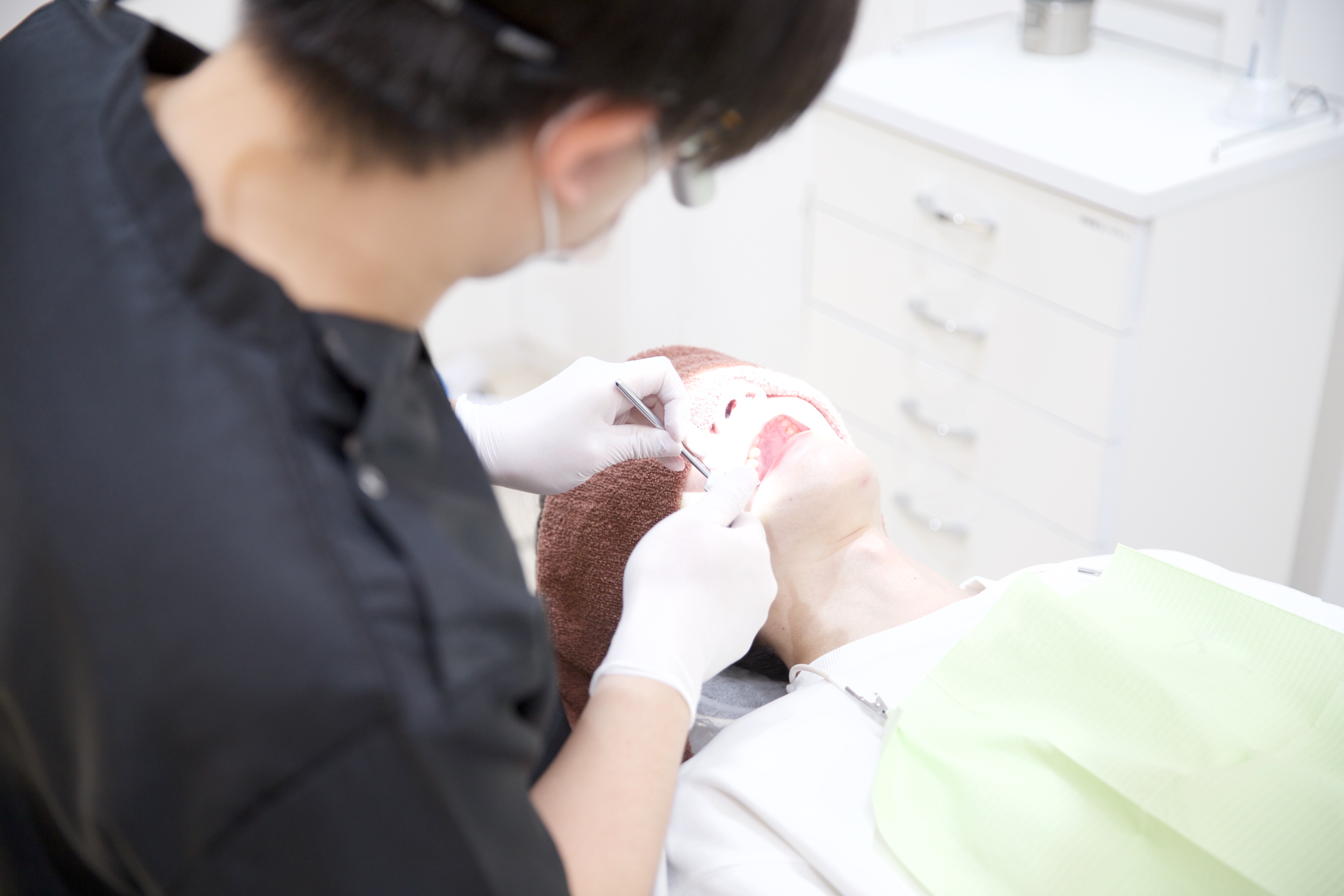
Initial visit, examination, and diagnosis
We check the depth of your periodontal pockets (a probing examination), take X-rays, and assess tooth mobility, among other things. Once we understand how advanced the periodontal disease is, we explain the treatment plan.
Basic periodontal treatment
We carry out scaling (removing tartar) and SRP (scaling and root planing), removing the tartar and plaque attached to the tooth surface and root surface with care. This may be carried out gradually over several visits.
Reassessment (SPT)
After basic treatment is complete, we re-examine the condition of your periodontal tissue. We check whether improvement can be seen, and decide the treatment policy going forward. If the periodontitis has improved, we move on to regular maintenance.
PMTC and Airflow
We remove biofilm from areas that are hard to reach with brushing, such as inside periodontal pockets and between the teeth, using professional mechanical cleaning (PMTC) and Airflow (a cleaning method that sprays an ultra-fine powder). This also cleans away staining from tea, coffee, and tobacco at the same time.
Brushing guidance
We point out your particular brushing habits and the spots you tend to miss, and give you guidance to improve the quality of your self-care at home. Everyday oral cleaning is extremely important for preventing periodontal disease from coming back, too.
Self-care and regular check-ups after treatment
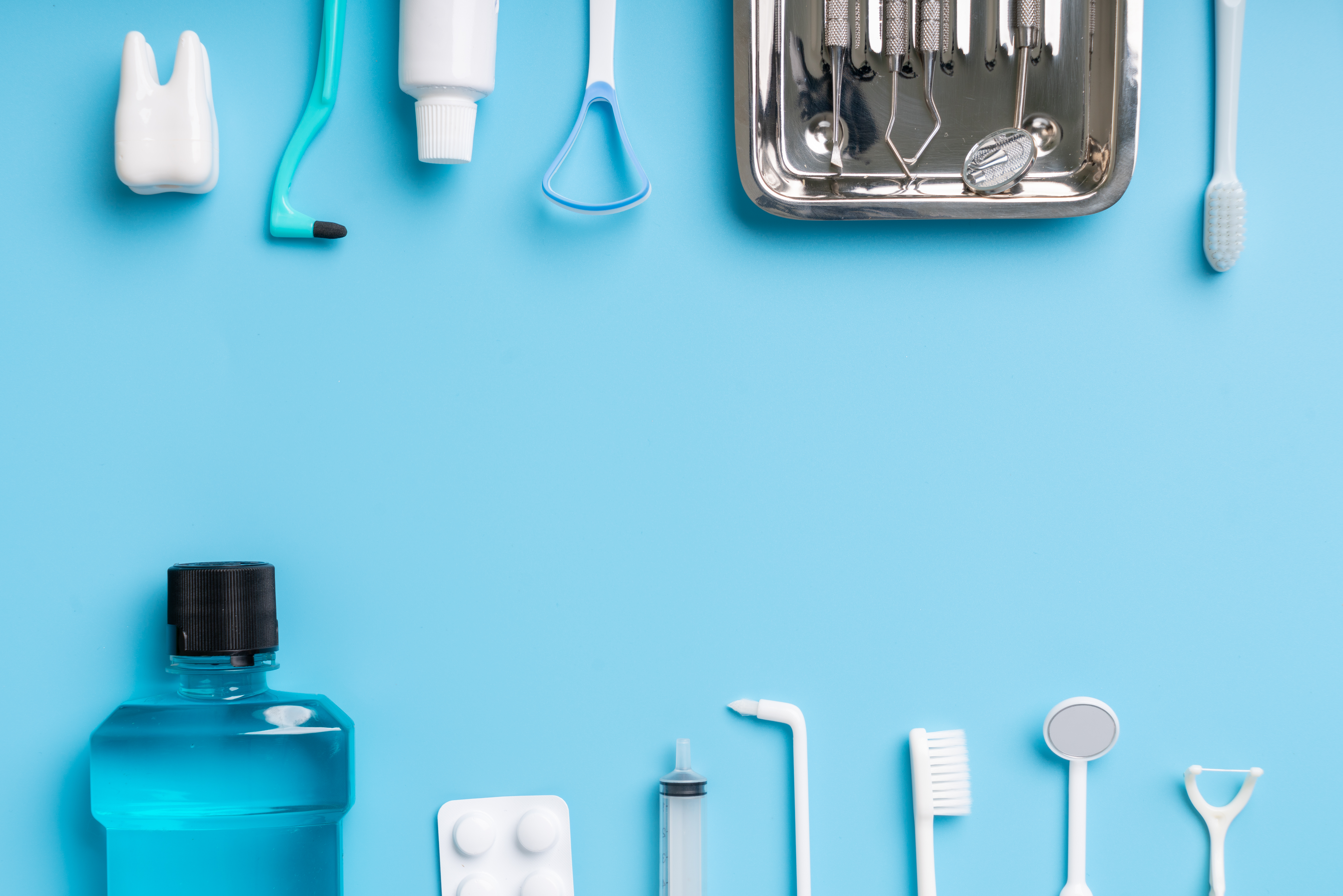
The period after your periodontal disease treatment finishes is actually a very important time. Periodontal disease tends to recur, and even after treatment has improved it, your periodontal tissue will be destroyed again if plaque control isn’t kept up.
When brushing at home, it’s important to angle the brush at 45 degrees against the line where the tooth meets the gum, brushing as if sweeping the plaque out of the periodontal pocket. Please also use dental floss or an interdental brush between your teeth. Even if you think you’re brushing with care, missed spots are easy to leave behind, so we recommend regular professional cleaning as well.
We recommend a check-up once every three months. By continuously monitoring the condition of your mouth, we can catch early signs of recurrence and carry out the right treatment whenever it’s needed.
About the cost
Basic periodontal treatment (scaling and SRP) is covered under insured treatment. The cost varies depending on the amount of tartar, how far the periodontal disease has progressed, and the number of visits, but a rough guide is as follows.
Bone regeneration and grafting (GBR)
| Treatment | Estimated cost |
|---|---|
| Basic periodontal treatment (scaling and SRP) | Covered by insurance (30% co-payment) |
| PMTC (professional tooth-surface cleaning, full mouth) | ¥13,200 (tax included) |
| Airflow (full mouth, stain removal) | ¥14,300 (tax included) |
| CT scan | ¥3,960 (tax included) |
※ Depending on the severity of the periodontal disease, several visits may be needed. We’ll explain the cost in detail after your examination.
Frequently asked questions

Can periodontal disease be completely cured?
At the gingivitis stage, it can be brought back to a healthy state with the right treatment and self-care. However, once it progresses to periodontitis and bone has been lost, it’s difficult to fully restore bone that’s already dissolved. The main goal of treatment then becomes stopping the disease from progressing and protecting the teeth and bone you still have.
I was told I have periodontal disease even though I have no pain. Do I need treatment?
Yes, we recommend treatment. A key feature of periodontal disease is that it progresses without pain, and the assumption that “it’s fine because it doesn’t hurt” is one reason the disease gets worse. Treating it while you have no noticeable symptoms makes it easier to see improvement with less burden on you.
Does removing tartar hurt?
It depends on the amount and location of the tartar. Removing tartar above the gumline usually causes little to no pain. For SRP, which removes tartar below the gumline (inside the periodontal pocket), we sometimes use anesthesia. If you’re worried about pain, please talk to us beforehand.
Can I get periodontal disease even if I brush properly?
Yes, you can. It’s not just how often you brush — your brushing technique, the tools you use, how your teeth are aligned, and your overall health can all play a part in developing periodontal disease. If there are spots you tend to miss, or areas your toothbrush struggles to reach, tartar can still build up even when you think you’re brushing with care.
Does smoking affect periodontal disease?
Yes, smoking is one of the major risk factors for periodontal disease. Substances in tobacco worsen blood flow to the gums and weaken immune function, making periodontal disease more likely to progress. It’s also worth noting that smokers tend to bleed less, which can make it harder to notice the symptoms.