

Denture treatment
From insured dentures to metal-frame dentures and clasp-free dentures, we propose the denture that best suits your condition and wishes.
- If your current denture doesn’t fit and it’s causing you trouble
- If you’d like to switch to a less noticeable or more comfortable denture
Talk to us any time.
A denture is a removable prosthetic device used to replace teeth you’ve lost. Depending on how many teeth are missing and where, dentures are divided into partial dentures and full dentures, with a range of materials and designs to choose from. 高田馬場歯科・矯正歯科 offers everything from insured dentures to metal-frame dentures made with titanium or cobalt-chrome, and clasp-free dentures that don’t use metal clasps. If your current denture doesn’t fit, or you’d like to eat more comfortably, please feel free to talk to us.
Table of Contents
Features of our denture treatment
A wide range, from insured dentures to clasp-free and metal-frame dentures
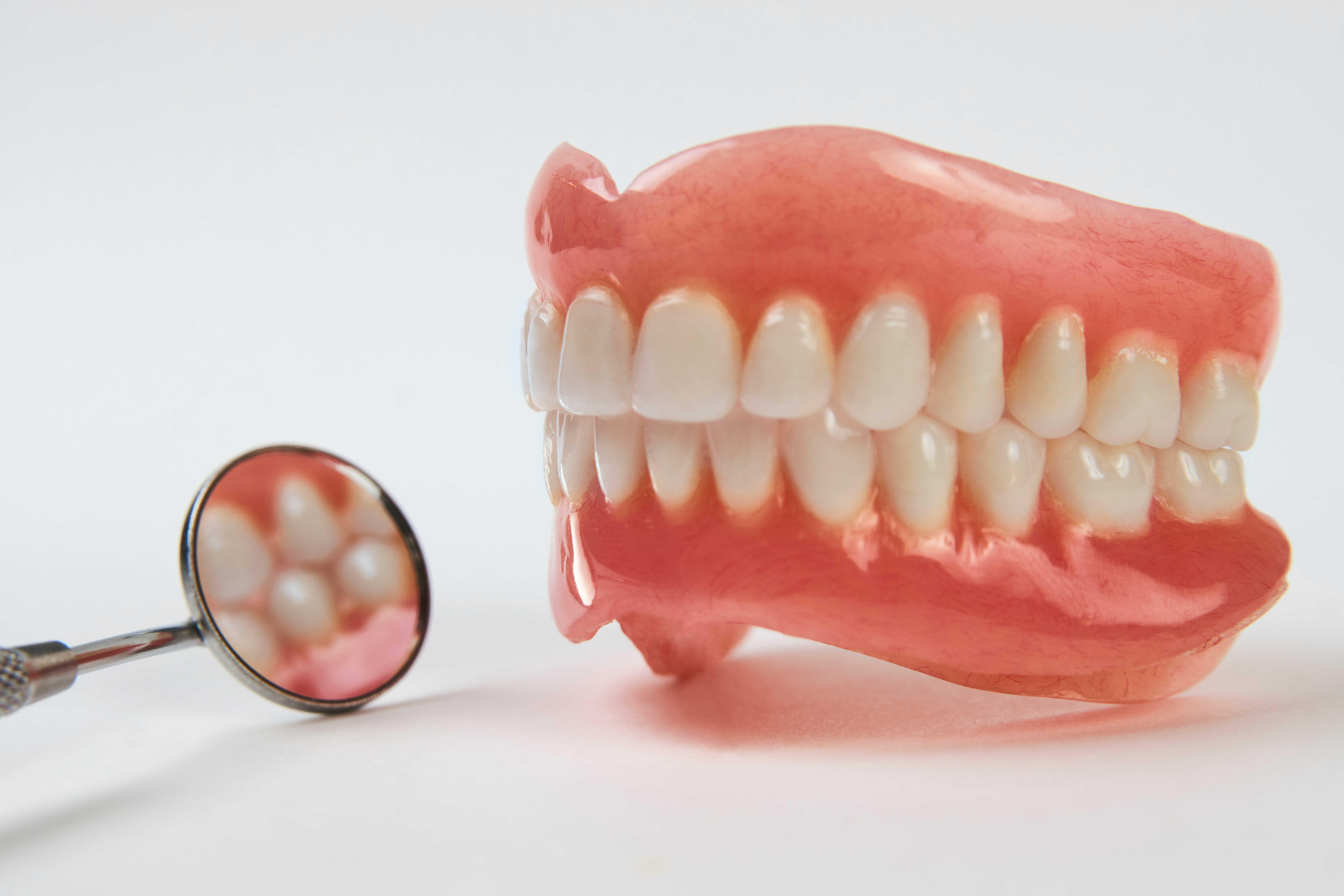
We offer a wide range of options — not just insured dentures, but also metal-frame dentures (titanium or cobalt-chrome) and clasp-free dentures that don’t use metal clasps. We propose the denture that best suits your oral condition, lifestyle, and budget.
Even if you’re not sure which denture is right for you, we make a point of clearly explaining the features, advantages, and disadvantages of each option before moving forward with treatment.
We also handle denture problems and adjustments
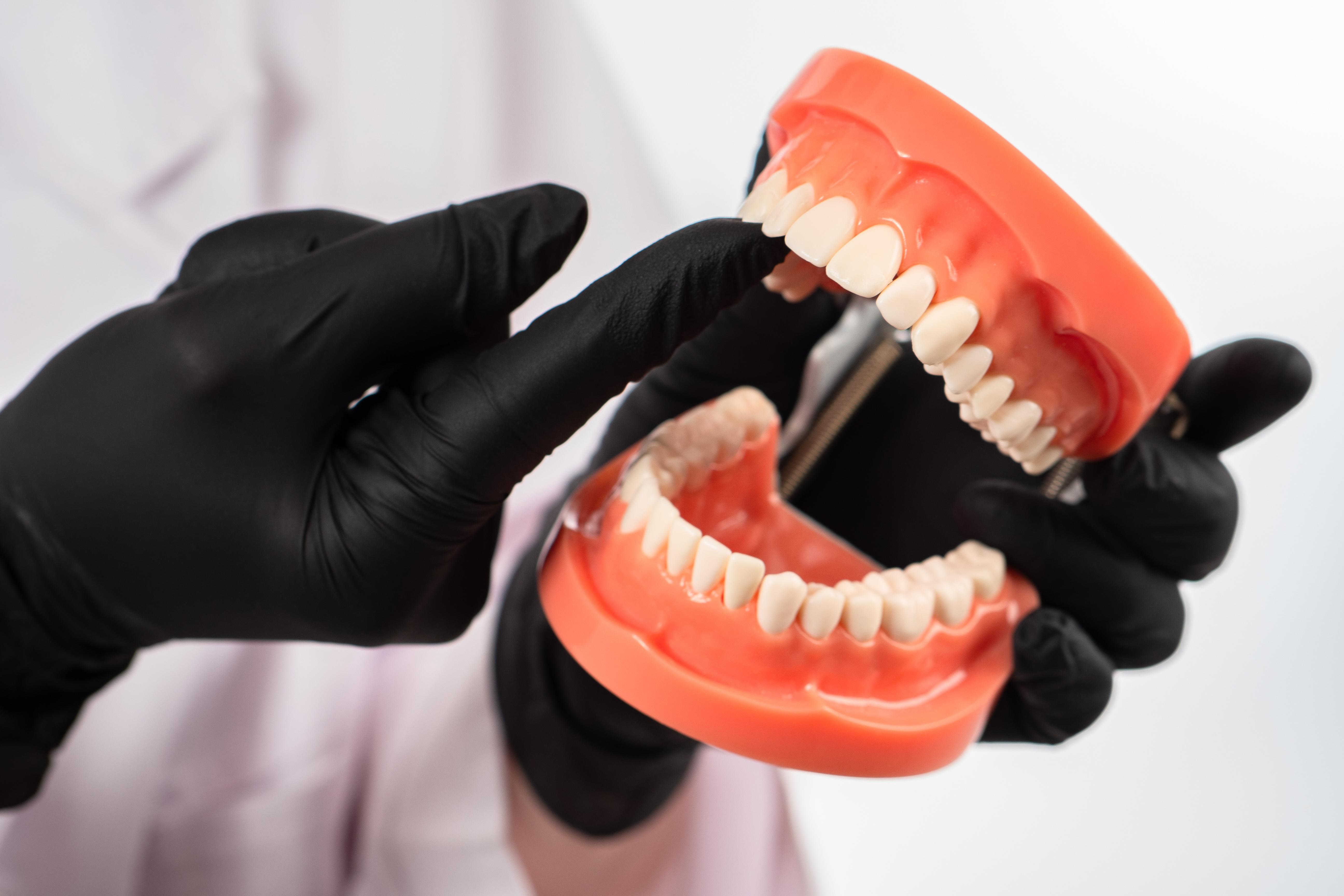
We can also help if a denture made at another clinic has stopped fitting well, started causing pain, or become loose. Dentures can stop fitting as your mouth changes over time. If you notice any discomfort or problems, please talk to us as soon as you can.
Weighing dentures against implants as an option

Dentures and implants are both options for replacing teeth you’ve lost, but they differ in cost, treatment time, and effect on your mouth. We also offer implant treatment, so you can compare both options and choose the one that suits you best.
Why dentures matter

Leaving missing teeth untreated can cause a range of problems, not just changes in appearance.
Reduced chewing function
With missing teeth, you can’t chew food properly, which puts more strain on your digestive system. Finding hard foods difficult to eat narrows your food choices, which can also affect your nutritional balance.
Effects on your remaining teeth
A gap left by a missing tooth can cause neighboring or opposing teeth to tilt or shift into the empty space. This throws off your overall bite balance and can increase the strain on your jaw joint and remaining teeth.
Jawbone resorption
Where a tooth is missing, the stimulation the tooth root once gave the bone disappears, and the jawbone can gradually shrink (bone resorption). As this progresses, it can also make it harder for dentures to fit well.
Effects on appearance and speech
Losing a front tooth can affect how confident you feel about your appearance. Missing teeth can also affect your speech, making certain sounds harder to pronounce. It’s important to receive appropriate restorative treatment early.
Types of denture we offer
Insured dentures (resin-base dentures)
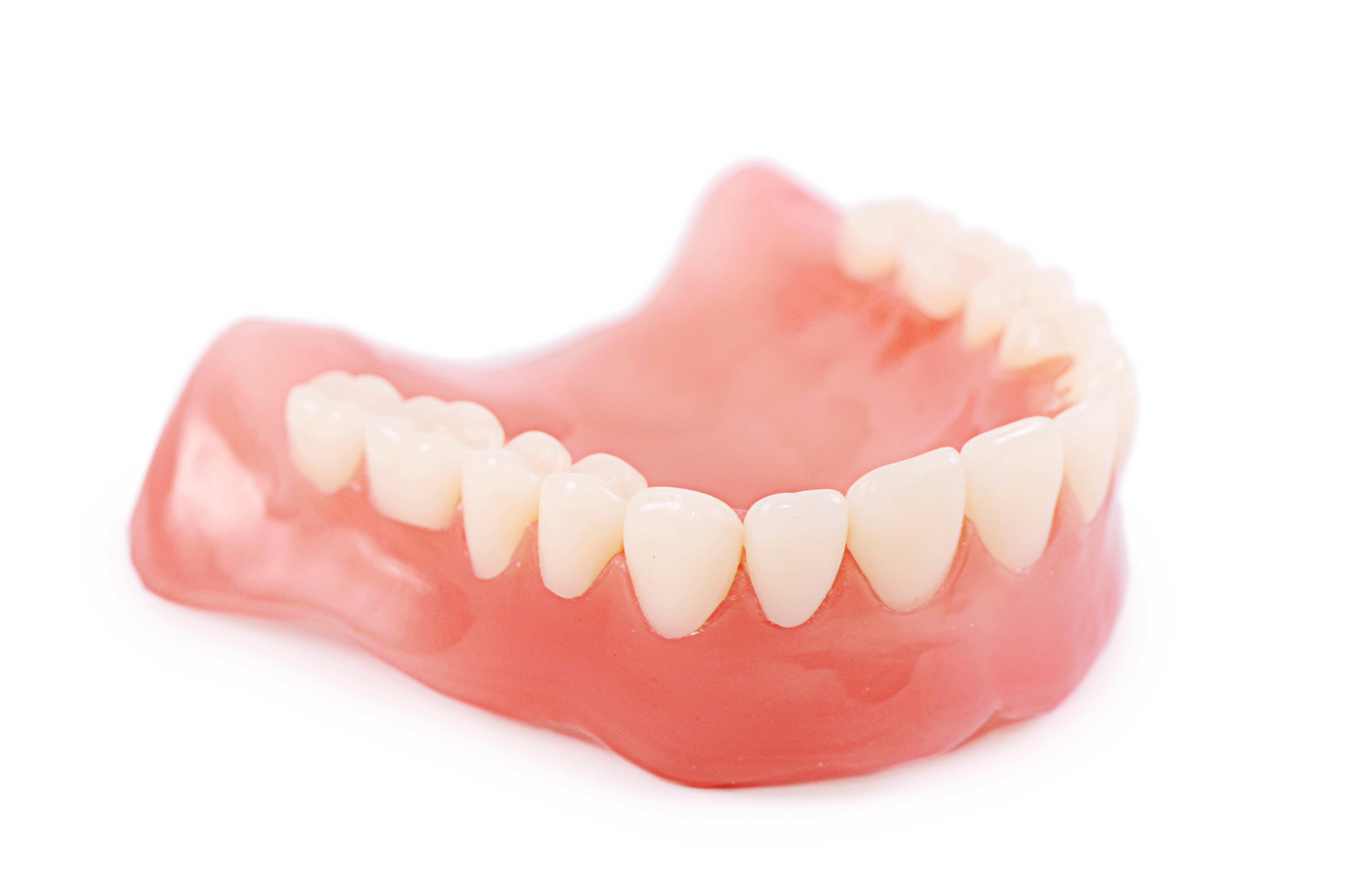
These are covered by insurance, so cost can be kept down. They’re made of plastic (resin), and one advantage is that they’re easy to repair. However, because the base needs a certain thickness, they can feel a bit more noticeable in the mouth, and since resin doesn’t conduct heat well, it can be harder to sense the temperature of food. With a partial denture, the metal clasps can also be noticeable.
Clasp-free dentures
These are private partial dentures designed with appearance in mind, without metal clasps. Made from a pink resin material, no metal shows even when you laugh or open your mouth, giving them a very natural look. They’re also light and fit well, and many patients find them comfortable to wear.
That said, because of the nature of the material, they’re not as strong as insured dentures or metal-frame dentures, and may warp or discolor over time.
Metal-frame dentures (titanium and cobalt-chrome)
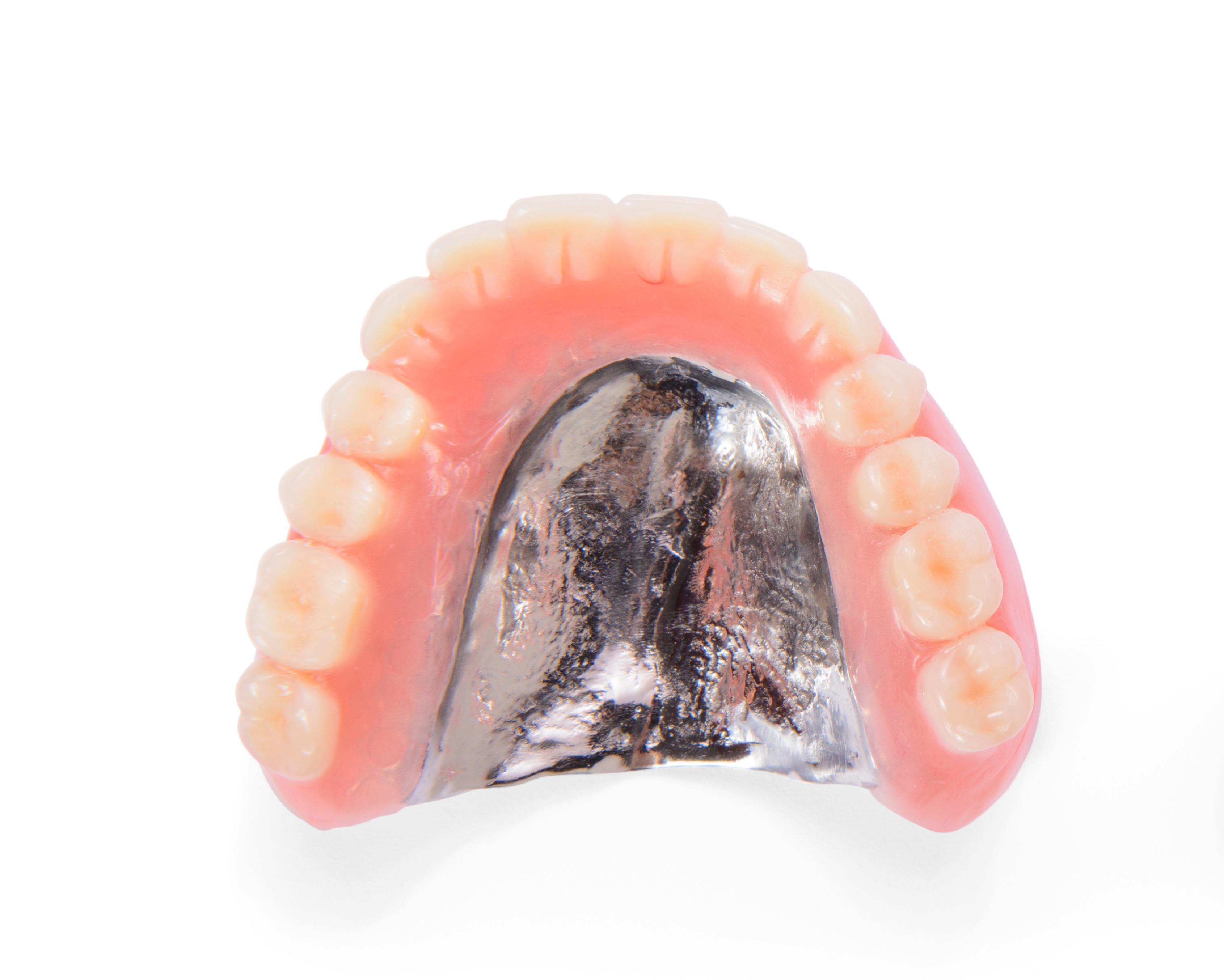
These are private dentures with a base made of metal (titanium or cobalt-chrome). Because the base can be made thinner than a resin-base denture, there’s less sense of a foreign object in your mouth, reducing discomfort when wearing it. Metal also conducts heat well, so another benefit is that you can better sense the temperature of your food. They’re highly durable and well suited to long-term use.
Titanium is highly biocompatible and rarely triggers metal allergies. Cobalt-chrome is a material with a long history and track record, and is known for its high strength.
Comparing denture materials
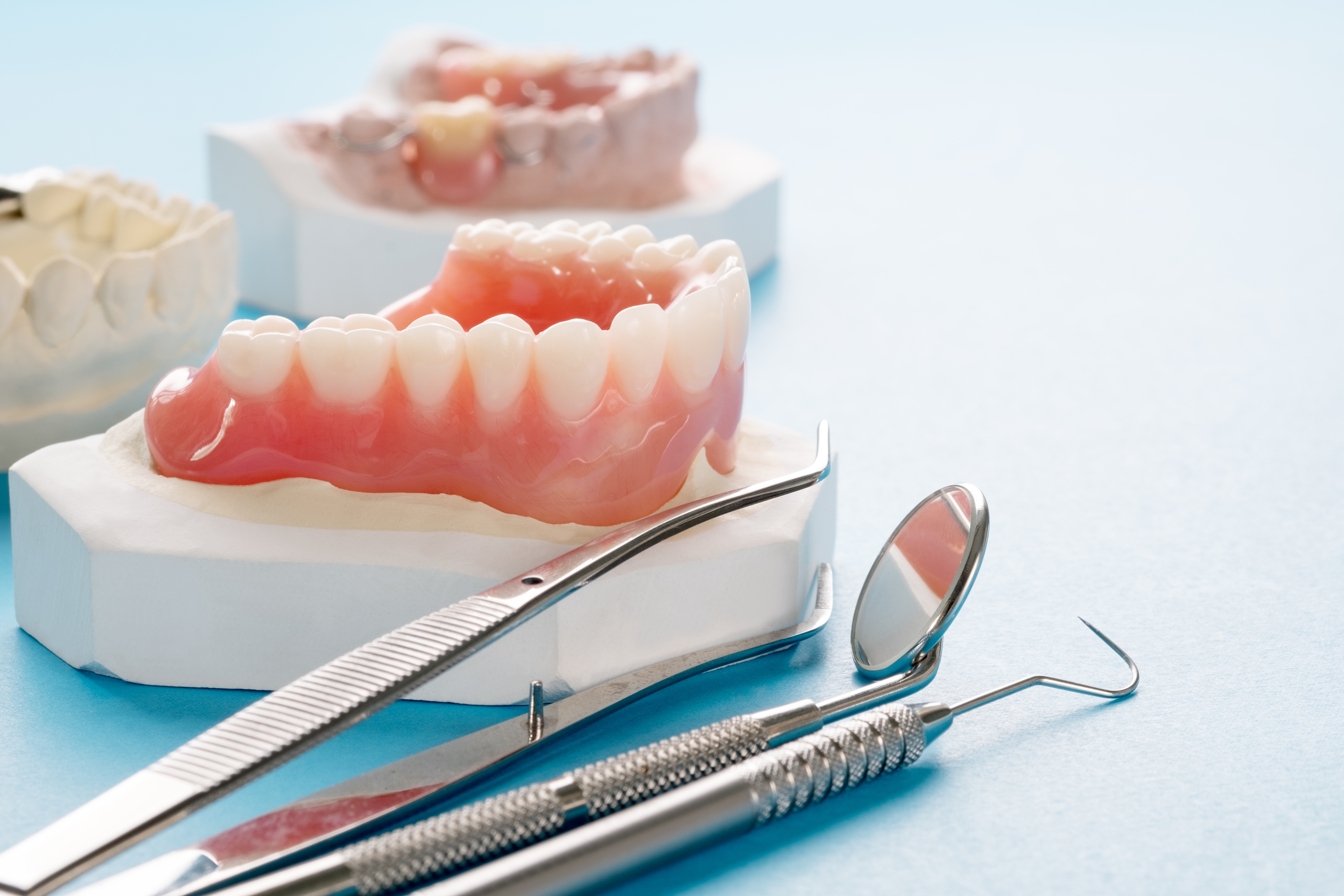
| Type | Appearance | Fit and comfort | Durability | Heat conduction |
|---|---|---|---|---|
| Insured denture (resin base) | △ (metal clasps visible) | △ (has some thickness) | △ | △ |
| Clasp-free denture | ◎ (no clasps) | ○ (light, fits easily) | △ | △ |
| Metal-frame denture (titanium) | ○ | ◎ (thin and light) | ◎ | ◎ |
| Metal-frame denture (cobalt-chrome) | ○ | ◎ (thin) | ◎ | ◎ |
Dentures vs. implants
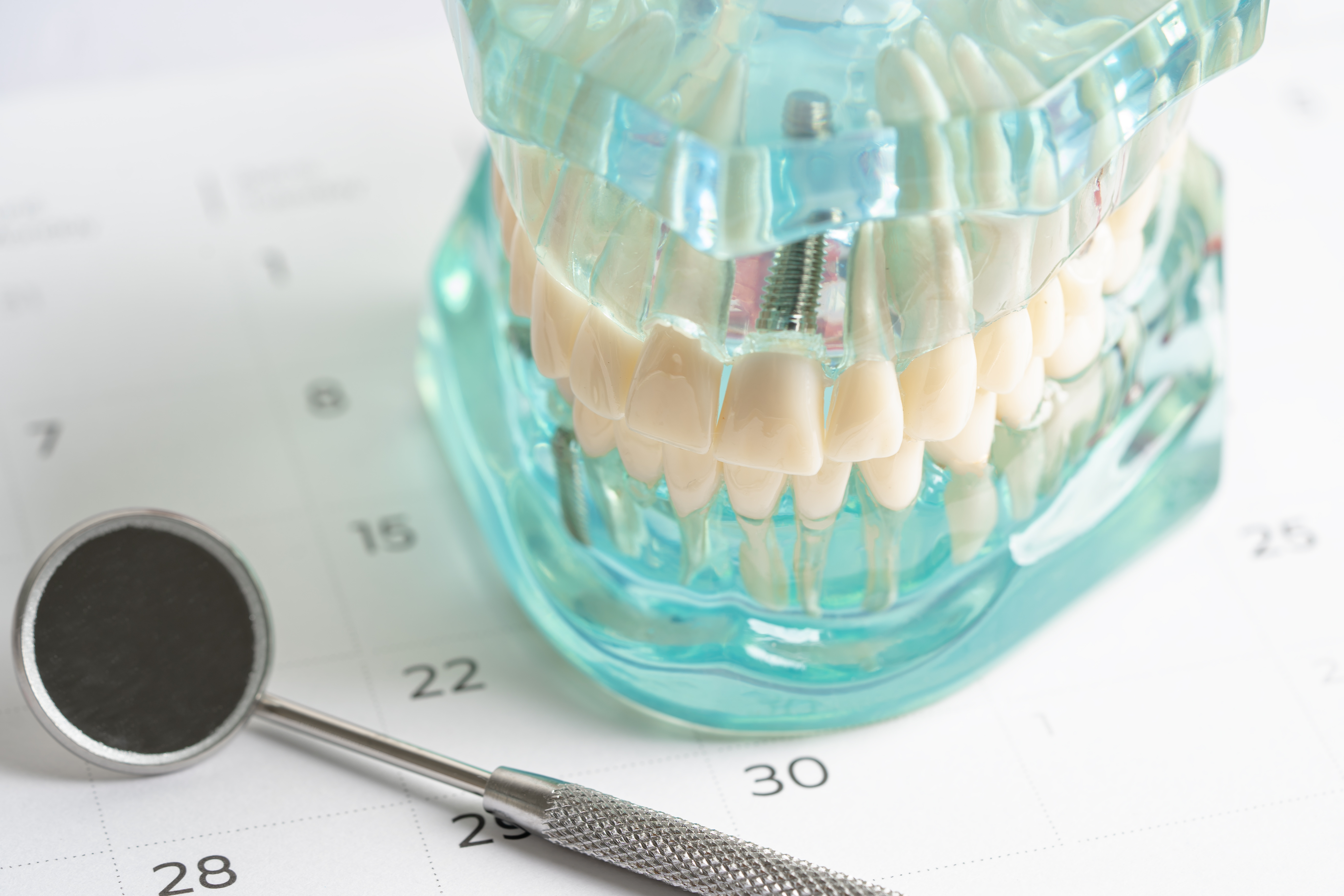
Dentures and implants are the two leading options for replacing teeth after tooth loss. Which one suits you best depends on factors such as the condition of your mouth, your general health, cost, and how long you’d like treatment to take.
| Item | Denture | Implant |
|---|---|---|
| Surgery | Not needed | Needed |
| Treatment time | Relatively short (a few weeks to around 2 months) | A few months to around 1 year |
| Cost | Can be insured (private also available) | Private only |
| Effect on neighboring teeth | The tooth the clasp attaches to may bear some strain | None |
| Bite feel | Tends to be inferior to an implant | Close to a natural tooth |
| Removable | Yes (needs daily cleaning) | No |
Dentures often suit people with systemic health conditions, those for whom surgery would be difficult, or those who’d like to keep costs down, while implants are an option for those seeking a more natural bite. When you visit us, we’ll check the condition of your mouth and explain each option in detail.
Treatment process
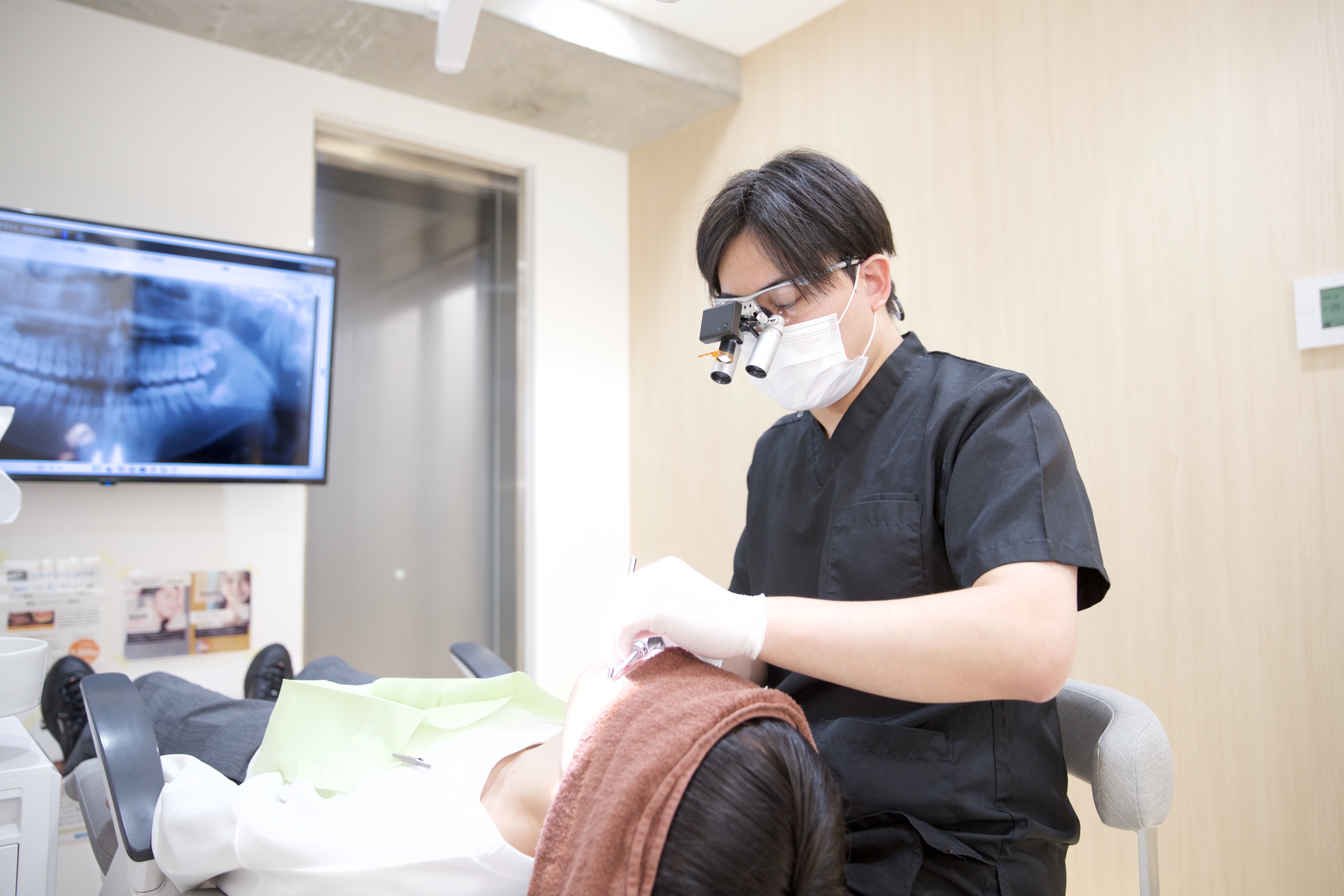
Initial consultation and examination
We’ll ask about the current condition of your mouth and any concerns you have. We take X-rays and examine your mouth to check the condition of your remaining teeth, gums, and jawbone.
Explaining the treatment plan
Based on the examination results, we’ll explain the types, materials, and costs of denture available to you. We present both insured and private options, and explain them clearly so you can choose the one that suits you.
Taking impressions and bite records
We take an impression of your mouth and record your bite. Our dental technician uses this information to make your denture.
Fitting and adjustment
We fit the finished denture and check things like fit, bite, and appearance, making adjustments as needed.
Handing over your denture and explaining how to use it
Once final adjustments are complete, we hand over your denture. We’ll also explain how to care for it day to day, and how to put it in and take it out.
Ongoing maintenance
Regular maintenance remains important even after your denture is complete. Since the condition of your mouth changes over time, we’ll make adjustments promptly if your denture starts to fit less well. We also check your remaining teeth for cavities and periodontal disease at the same time.
Price guide
Dentures (private)
| Type | Price (tax included) |
|---|---|
| Clasp-free denture (1 tooth) | ¥99,000 |
| Clasp-free denture (2–5 teeth) | ¥143,000 |
| Clasp-free denture (6 or more teeth) | ¥176,000 |
| Titanium metal-frame denture | ¥440,000 (5-year warranty) |
| Cobalt-chrome metal-frame denture | ¥330,000 (5-year warranty) |
Options
| Item | Price (tax included) |
|---|---|
| Porcelain teeth (option) | ¥110,000 |
| Metal teeth (option) | ¥110,000 |
*The cost of insured dentures varies according to your co-payment rate. Please ask us for details when you visit.
*We also offer payment in installments through a dental loan.
Frequently asked questions

Can a denture be made quickly?
From taking the impression to completion usually takes a few weeks. After that, several more visits are needed to check and adjust the bite. If you need restorative treatment urgently, please talk to us.
My current denture has stopped fitting well. Do I need a new one?
We’ll first examine your mouth to check whether your current denture can be fixed with an adjustment or repair. If the shape of your mouth or the condition of your gums has changed, we may recommend making a new one. If you’re feeling discomfort or pain, please don’t put up with it — talk to us.
Should I choose an insured denture or a private one?
Which is right for you depends on your budget, how important appearance is to you, and the condition of your mouth. Insured dentures keep costs down, but there are limits on materials and design. Private dentures often offer better appearance and comfort, but cost more. We’ll explain the features of each at your initial consultation, so you can make a choice you’re happy with.
After I start using a denture, how long does it take to get used to eating and speaking with it?
It varies from person to person, but it often takes a few weeks to a few months to get used to a denture. At first you may notice some discomfort or find certain sounds harder to say, but most people gradually get used to it. If you have pain or a serious problem, please don’t push through it — come and see us as soon as you can.
How long does a denture last?
This varies depending on the material, how it’s used, and changes in your mouth, but as a general guide, insured dentures last around 5 years, while private metal-frame dentures can be expected to last longer. Our private dentures (titanium or cobalt-chrome metal-frame) come with a 5-year warranty. Keeping up with regular maintenance is key to using your denture comfortably for as long as possible.