

Partial orthodontic treatment
Based on a detailed examination using an iTero scan, we offer partial orthodontic treatment that uses clear aligners to adjust just the parts you’re concerned about, such as around the front teeth.
- You feel full orthodontic treatment is more than you need, but you’re concerned about just part of your front teeth
- You’d like to improve the alignment of your teeth while keeping cost and treatment time down
Talk to us any time.
Partial orthodontic treatment is different from treatment that moves every tooth: it targets just the specific area you’re concerned about, such as the front teeth. 高田馬場歯科・矯正歯科 offers partial orthodontic treatment using clear aligners (Invisalign). Compared with full orthodontic treatment, it can mean a shorter treatment time and lower cost. That said, it can be difficult to apply when there are problems with your bite or jaw structure, so we start with an examination before recommending the right option.
If you live in Takadanobaba, or commute through it for work or school, and you’re thinking “I’d like to start orthodontic treatment somewhere easy to keep visiting,” please come talk to us.
Table of Contents
What makes our partial orthodontic treatment different
Partial orthodontic treatment with clear aligners that are hard to notice
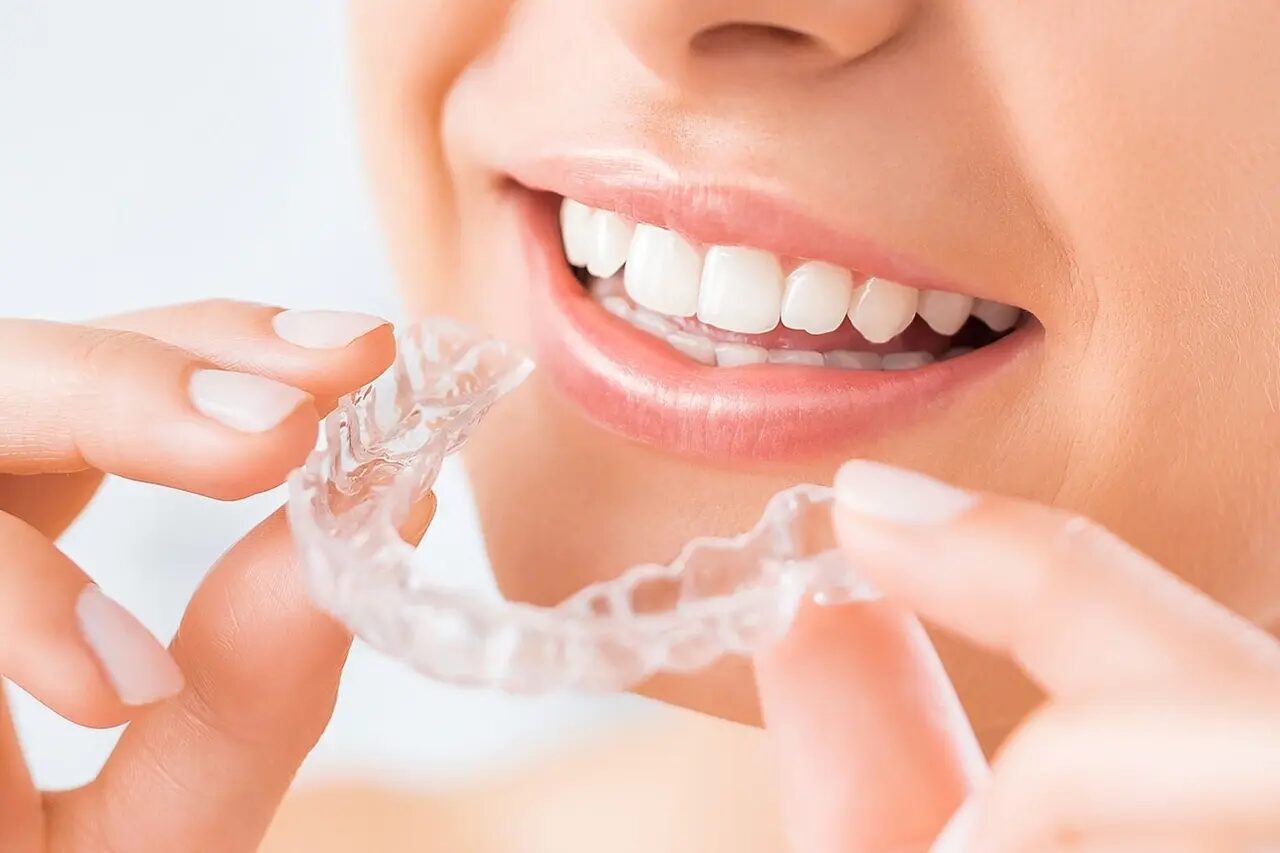
Our partial orthodontic treatment uses Invisalign (clear aligners). Because the aligners are transparent, the appliance is hard to notice, whether you’re at work or going about daily life. Since there are no metal brackets or wires, it interferes less with your mouth, and you can take it out to eat.
We closely check whether you’re a candidate before proposing a plan
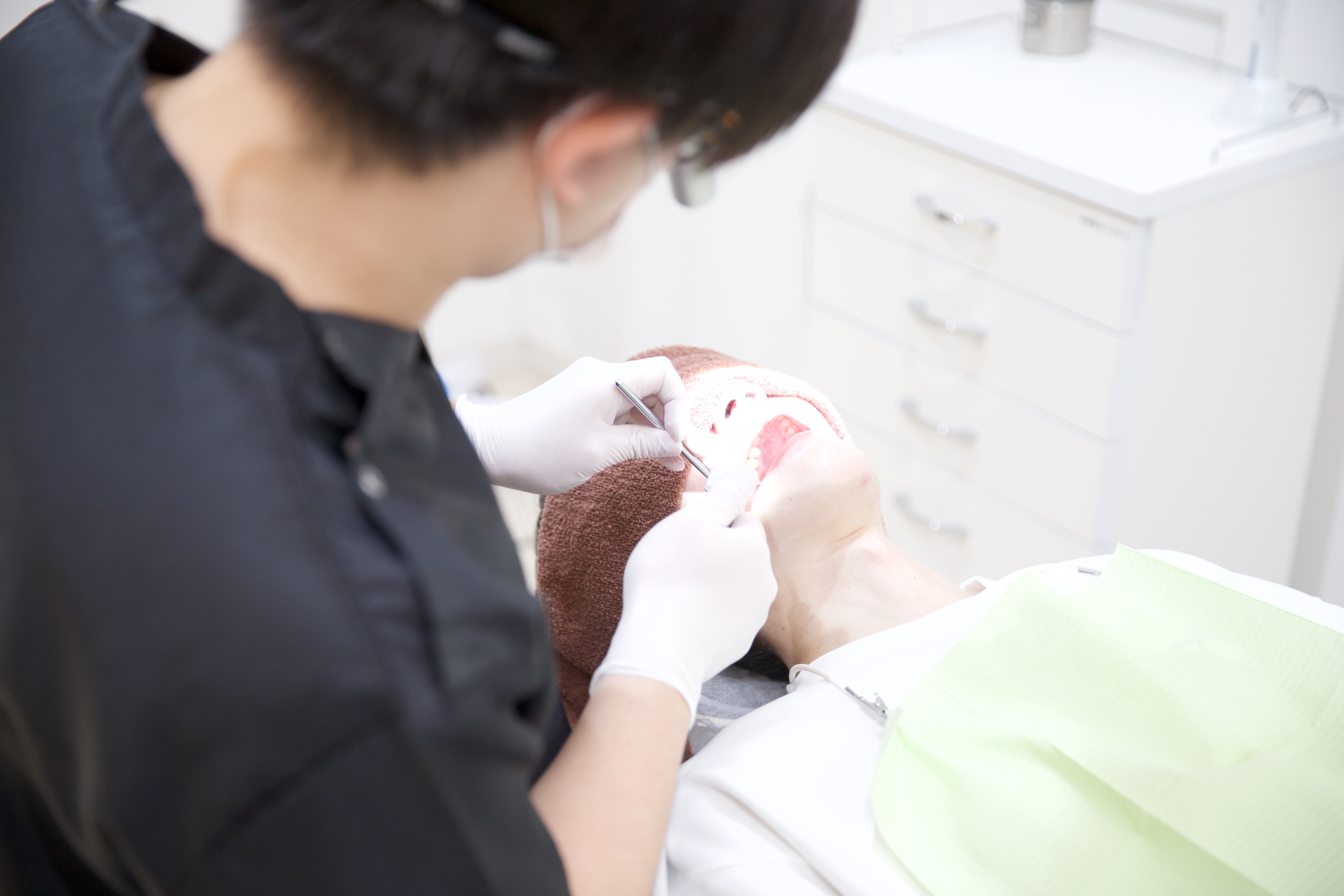
Partial orthodontic treatment isn’t suitable for everyone. When there’s a significant bite misalignment, or when crowding in the front teeth is closely linked to the bite of the back teeth, partial orthodontic treatment alone is often not enough, and full orthodontic treatment may be needed instead. Also, treatment that prioritizes appearance alone while ignoring its effect on the bite can, in the long run, risk the health of your whole mouth.
We closely assess whether you’re a candidate based on your initial consultation and detailed examination before proposing a plan. If you’d like partial orthodontic treatment but aren’t sure it can address your case, please feel free to talk to us.
A shorter treatment time that’s easy to fit into a busy schedule

Because partial orthodontic treatment covers a limited range of teeth, it tends to take less time than full orthodontic treatment. Depending on the case, treatment can sometimes be completed in a few months to about a year. Visits are typically needed about once every 1.5 to 3 months, so it’s easy to keep up with alongside work or school.
We’re located right by Takadanobaba Station, so it’s easy to stop by on your way to work or school, or on your way home. This treatment is a good fit for working people and students who are busy but still want to improve the alignment of their teeth.
Alignment issues partial orthodontic treatment can improve
Mild overlapping or twisting of the front teeth
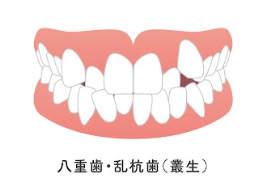
When teeth are slightly overlapping or twisted, partial orthodontic treatment can often address it.
Gaps between teeth (spacing)
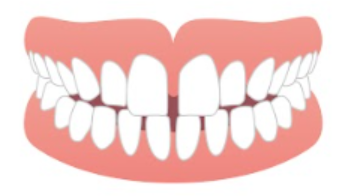
Gaps between the front teeth are another typical case that partial orthodontic treatment can improve. Whether it can be treated depends on the size and location of the gap, so an examination is needed.
Mild protrusion of the front teeth
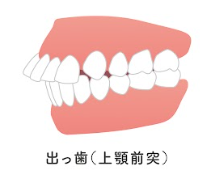
Mild cases where the upper front teeth protrude slightly forward, without any underlying jaw structure issue, can sometimes be treated with partial orthodontic treatment.
Cases where full orthodontic treatment is needed

A bite misalignment that involves the back teeth
When the bite is significantly misaligned, or when crowding in the front teeth is closely tied to how the back teeth meet, moving only the front teeth risks throwing off the overall balance instead. In these cases, we recommend full orthodontic treatment.
Severe crowding (teeth significantly overlapping)
When teeth are significantly overlapping, or there’s a major shortage of space for teeth to come through, a partial adjustment can’t fundamentally fix the problem, so full orthodontic treatment is more appropriate.
Cases involving a skeletal misalignment
When there’s a problem with the balance between the upper and lower jawbones, straightening the front teeth alone can’t fix it, and full orthodontic treatment — or in some cases a surgical approach — may be needed.
If you’re not sure which of these applies to you, please start with an initial consultation to find out.
Recommended for you if

- You’re bothered by slight overlapping or twisting in your front teeth
- You want to close gaps between your teeth
- You feel full orthodontic treatment would be more than you need
- You want to keep cost and treatment time as low as possible
- You’re concerned about orthodontic appliances being too noticeable
How it compares with full orthodontic treatment
| Item | Partial orthodontic treatment | Full orthodontic treatment |
|---|---|---|
| Area covered | A specific area, such as the front teeth | All teeth |
| Typical treatment time | A few months to about a year | About 1 to 3 years |
| Cost | Tends to be lower than full orthodontic treatment | Depends on the case and plan |
| Bite correction | Generally not included | Included |
| Range of application | Mild to moderate crowding of the front teeth | Wide range, from mild to complex cases |
Which one is right for you depends on the state of your teeth, your bite, and your own preferences. Even if you’re not sure which to choose, there’s no need to worry: we’ll explain after an examination.
Treatment process
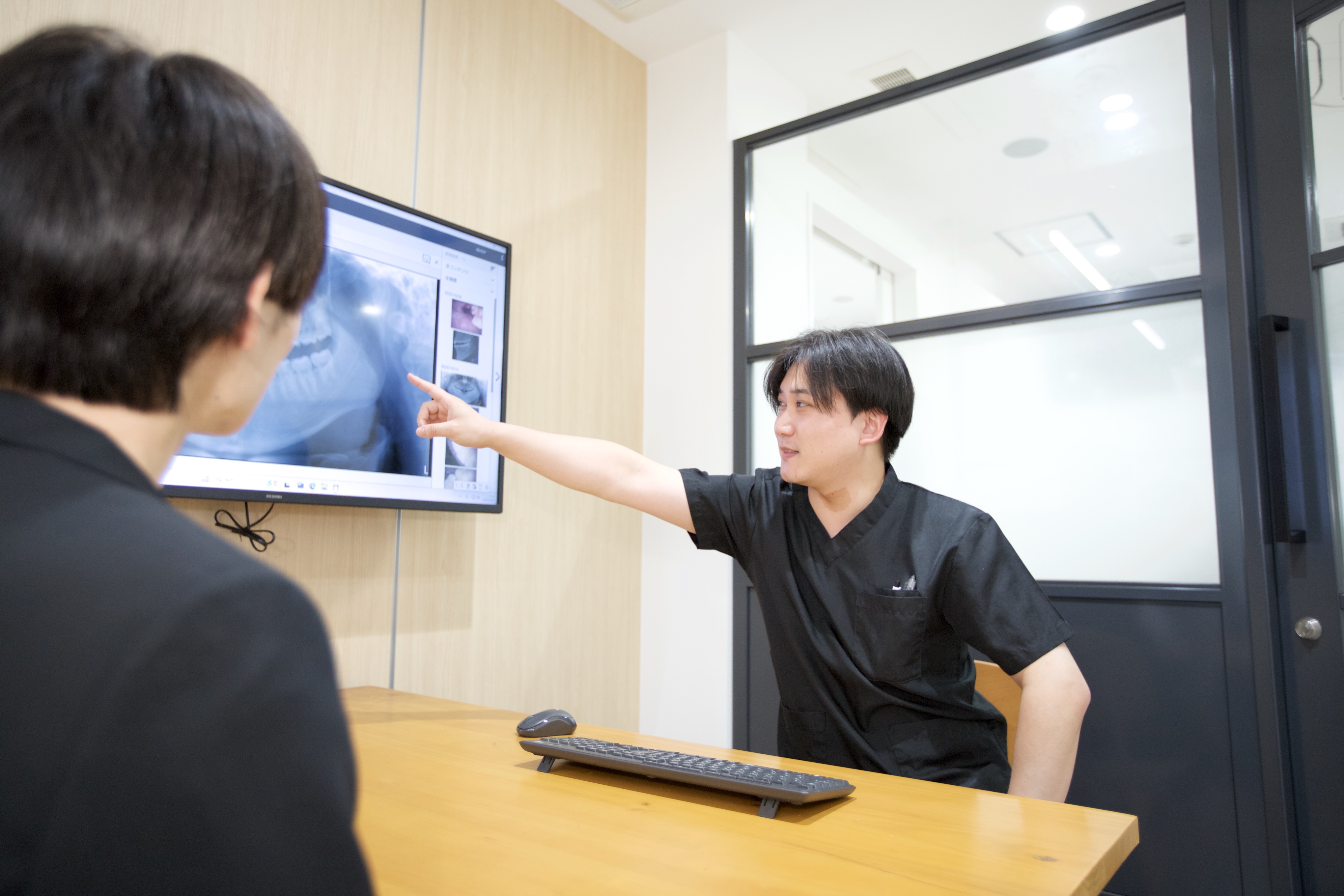
Initial consultation (free)
We listen to your concerns and hopes about your teeth, check your mouth, and give you a general sense of whether partial orthodontic treatment is a good fit.
Detailed examination
We take an intraoral scan with iTero and X-rays to examine the condition of your teeth and bone in detail.
Treatment plan explanation
Based on the examination results, we create a ClinCheck and explain the treatment process, timeline, and cost. You can also see a 3D simulation of the expected result.
Treatment begins
Treatment starts as soon as your aligners arrive. You’ll visit about once every 1.5 to 3 months so we can check your progress.
Retention
After treatment ends, you’ll wear a retainer to prevent your teeth from shifting back.
Risks and things to know about partial orthodontic treatment

When considering partial orthodontic treatment, it’s important to understand the following points as well as its benefits.
Effect on your bite
Moving only the front teeth can sometimes create a different bite than before. Whether treatment is suitable needs to be judged carefully, and we base that decision on the results of a detailed examination.
Relapse
Teeth that have been moved by orthodontic treatment tend to drift back toward their original position unless you wear a retainer. Because partial orthodontic treatment involves a limited range of movement, it’s also more easily affected by the surrounding teeth, so continuing to wear a retainer after treatment is especially important.
Keeping to the required wear time
Clear aligner treatment recommends wearing the aligners for at least 20 to 22 hours a day. If you don’t wear them enough, your teeth won’t move as planned, which extends the treatment time. Please keep them in at all times except when eating or brushing your teeth.
Cost guide
Orthodontic plan pricing
| Plan | Price (tax included) |
|---|---|
| Invisalign Lite (for partial orthodontic treatment) | ¥495,000 and up |
*The cost of partial orthodontic treatment varies depending on the condition of your mouth and the scope of treatment. We’ll give you details after an examination.
Basic and optional fees
| Item | Price (tax included) |
|---|---|
| Initial consultation | Free |
| Detailed examination fee | ¥44,000 |
| ClinCheck fee | ¥33,000 |
| Adjustment fee (per visit) | ¥3,300 |
| Retainer | ¥55,000 |
*All of the above are private treatment (not covered by insurance).
*Payment by installments through a dental loan is also available.
Frequently asked questions

I don’t know whether partial or full orthodontic treatment is right for me.
We start with an initial consultation to check the condition of your mouth. Based on your bite and the overall alignment of your teeth, we’ll explain which option suits you. If partial orthodontic treatment isn’t a good fit, we may suggest full orthodontic treatment instead.
Will partial orthodontic treatment change my bite?
Partial orthodontic treatment is mainly aimed at improving the appearance of a specific area, such as the front teeth — it isn’t designed to improve your bite overall. That said, moving teeth can sometimes affect the bite, so an examination beforehand is important. If improving your bite is your goal, we may recommend full orthodontic treatment instead.
How long does partial orthodontic treatment take?
It varies by case, but for mild crowding of the front teeth, it typically takes a few months to about a year. It tends to be shorter than full orthodontic treatment, but we’ll give you an exact timeline after a detailed examination.
Will the appliance be noticeable during partial orthodontic treatment?
Our partial orthodontic treatment uses clear aligners (Invisalign), so the appliance is transparent and hard to notice. Even working people and students often find that the people around them don’t realize they’re in treatment.
Does relapse happen after partial orthodontic treatment?
This is true of orthodontic treatment in general: if you don’t wear a retainer after treatment, relapse can occur. Because partial orthodontic treatment moves a limited range of teeth, it’s also more easily affected by the surrounding teeth. Making sure you wear your retainer is important.