

Oral surgery
A dentist trained in oral surgery at a general hospital handles everything from dental surgical procedures to conditions of the oral mucosa.
- Wisdom teeth or swollen gums
- You’re concerned about pain
- You have a growth or other symptom in your mouth that concerns you
Talk to us any time.
Oral surgery is the field of dentistry that carries out a range of surgical procedures relating to the teeth, gums, jaw, oral mucosa and the mouth and its surroundings generally. Wisdom tooth extraction, treating injuries, and diagnosing and treating growths on the oral mucosa (such as mouth ulcers and mucoceles) are typical examples.
At 高田馬場歯科・矯正歯科, our director trained in oral surgery at a general hospital, and we have a dentist on staff who can handle cases that are difficult for a typical dental clinic — including extracting a difficult wisdom tooth impacted sideways. If you’re not sure where to turn with a concern in or around your mouth, please talk to us first.
Table of Contents
What sets our oral surgery apart
A dentist experienced in a general hospital’s oral surgery department

Our director trained in oral surgery at a general hospital. We’ve built a system that can handle a difficult or impacted wisdom tooth (a difficult extraction or an impacted tooth) — something a typical dental clinic can find hard to do.
If another clinic has told you an extraction would be difficult, or handed you a referral letter and left you unsure what to do, please talk to us first. We’ll check your condition and explain whether we can treat you here.
Precise examination with a dental CT scan
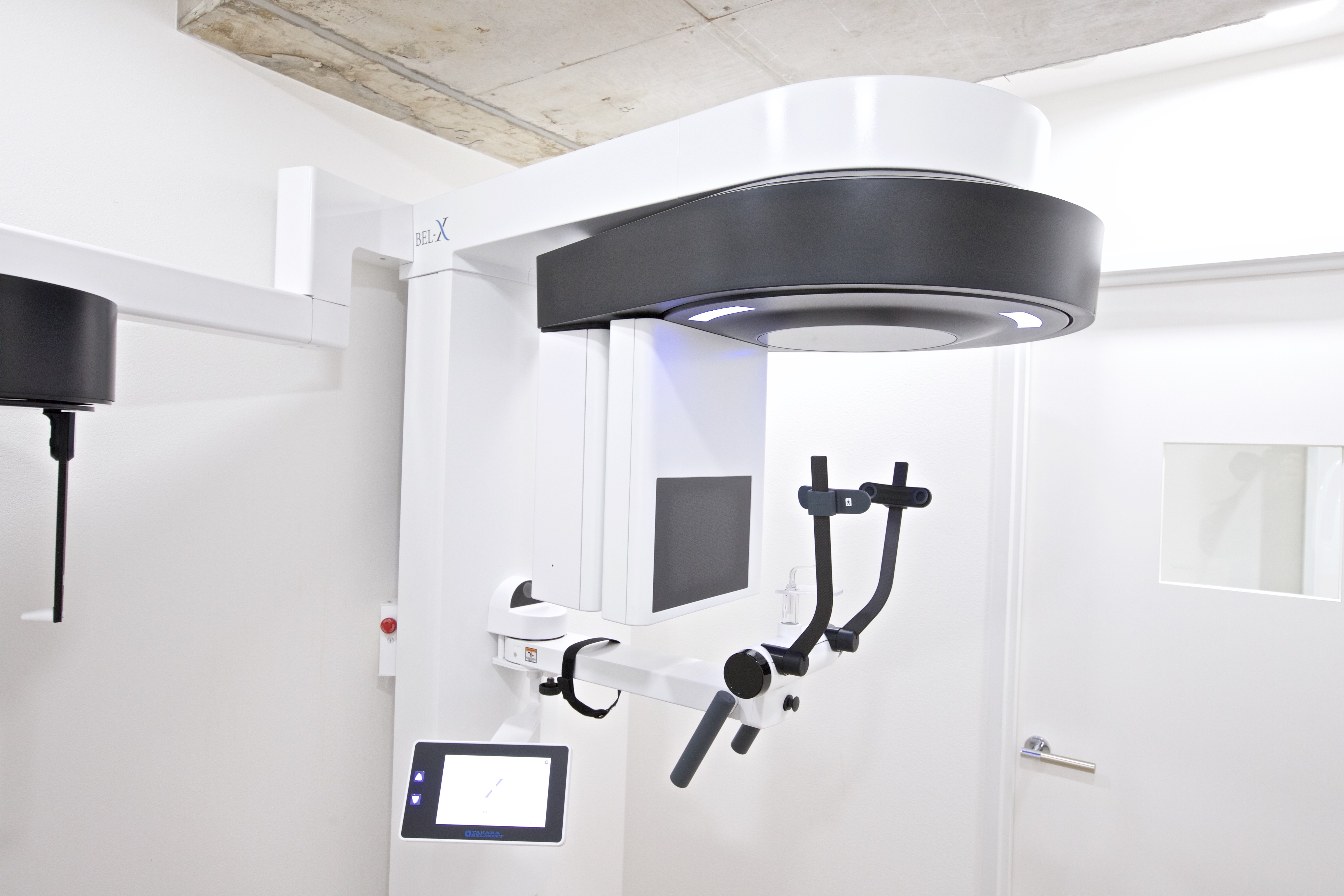
Before extracting a wisdom tooth or carrying out any other surgical procedure, it’s essential to know the direction and depth of the tooth and its position relative to nearby nerves and blood vessels. We use a dental CT scan, which lets us check details that a two-dimensional X-ray can miss, precisely and in three dimensions.
A dental CT examination also improves the safety of the procedure, and plays an important role in explaining risks after treatment, such as an effect on a nerve or bleeding, to you beforehand.
Broad care, including problems of the oral mucosa
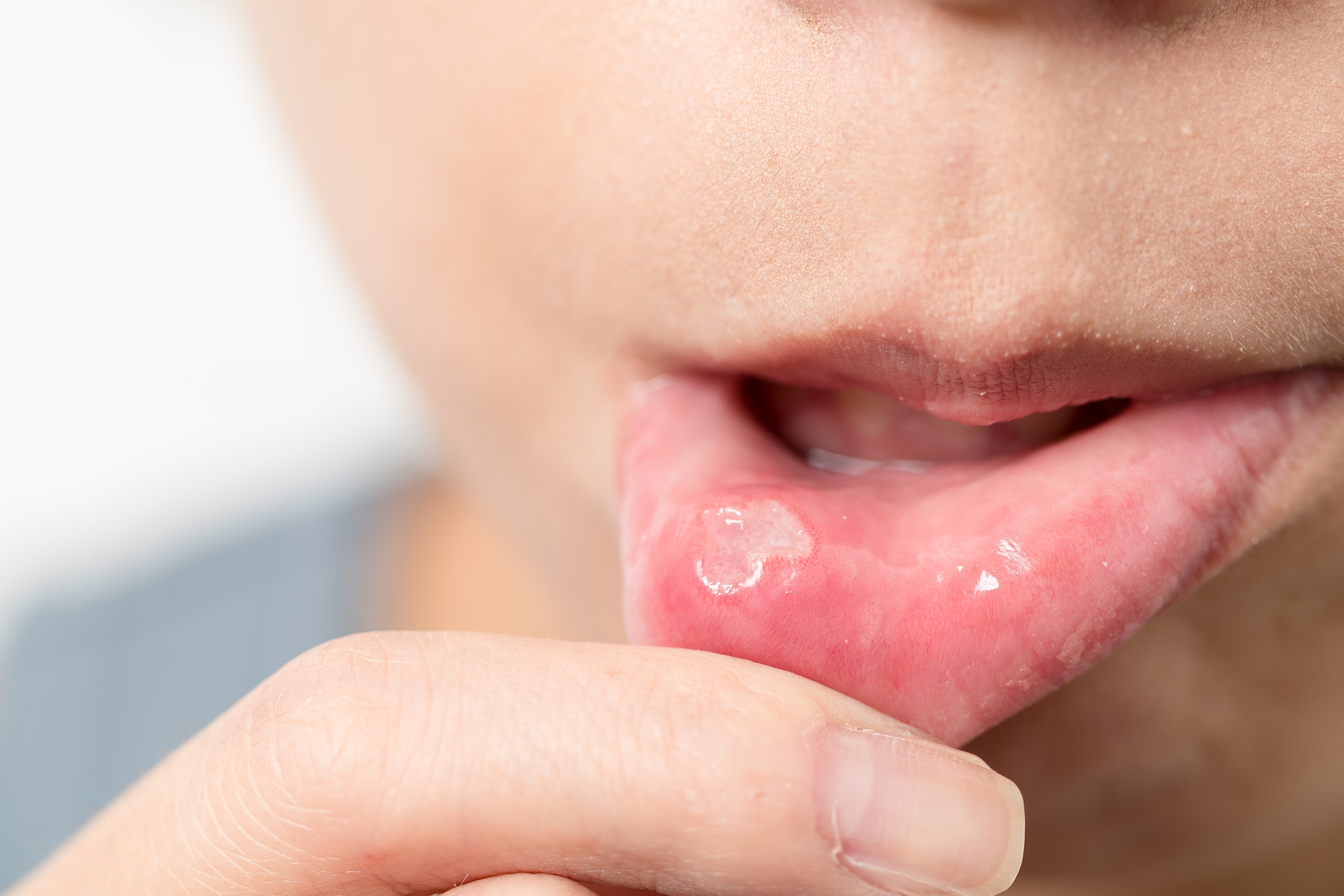
We also treat a wide range of conditions of the oral mucosa, including mouth ulcers that keep recurring, mucoceles that form on the inside of the lip or cheek, and growths or swelling of unknown cause. If you’re not sure whether a symptom inside your mouth is something dentistry can treat, please come in and see us. We make the right diagnosis and give the right treatment for the symptom, and refer you to a specialized facility if needed.
The oral surgery procedures we offer
Wisdom tooth extraction (including difficult extractions and impacted teeth)
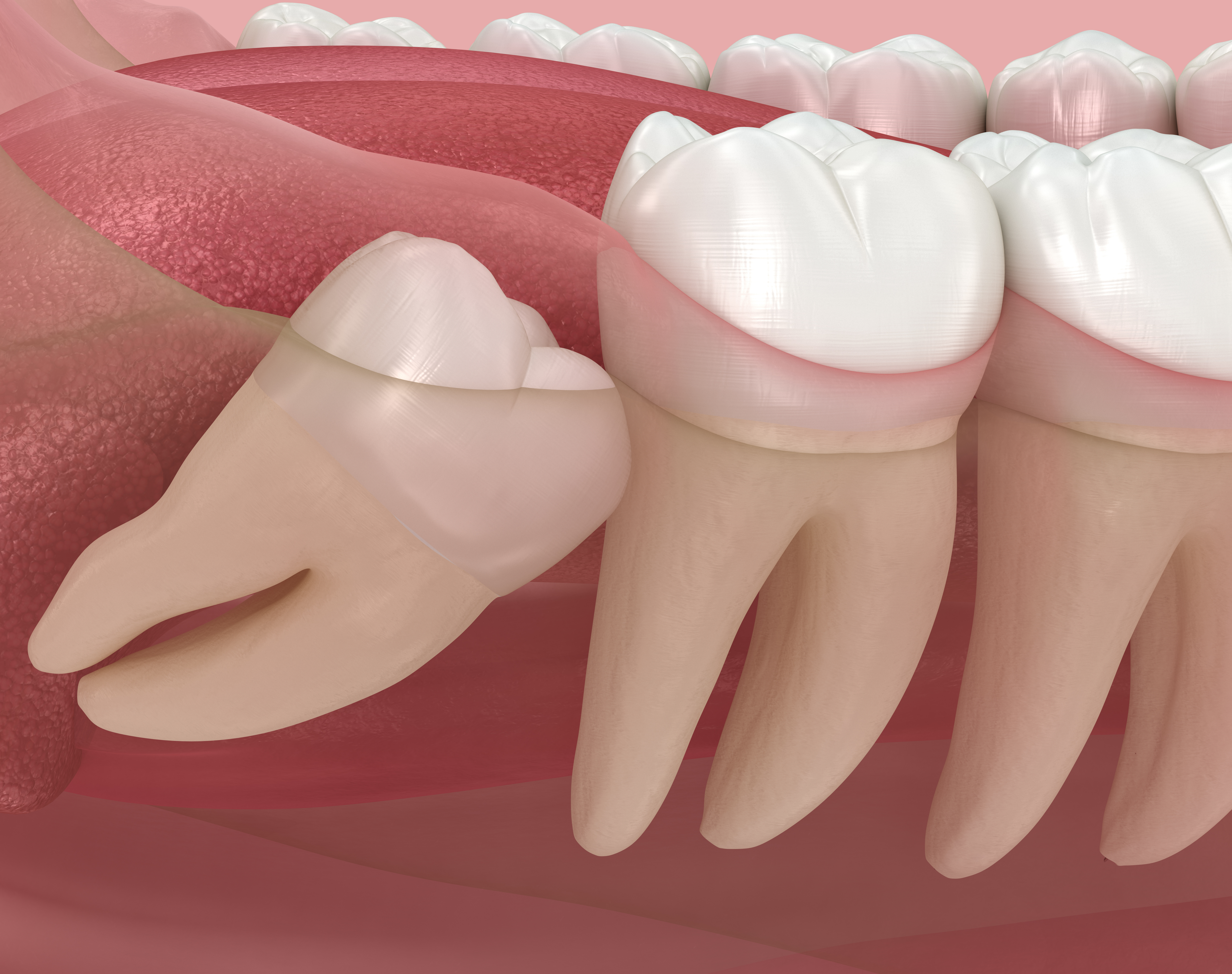
A wisdom tooth (the third molar) sometimes erupts normally, but it’s not uncommon for one to be impacted sideways or at an angle, or to affect the tooth next to it. Left alone, it can damage the neighboring tooth or cause repeated inflammation (pericoronitis).
We have a dentist on staff who can handle a difficult wisdom tooth that’s impacted sideways or lies deep in the jaw. We check its position relative to the nerve beforehand with a CT scan and carry out the procedure safely.
Diagnosing and treating mouth ulcers
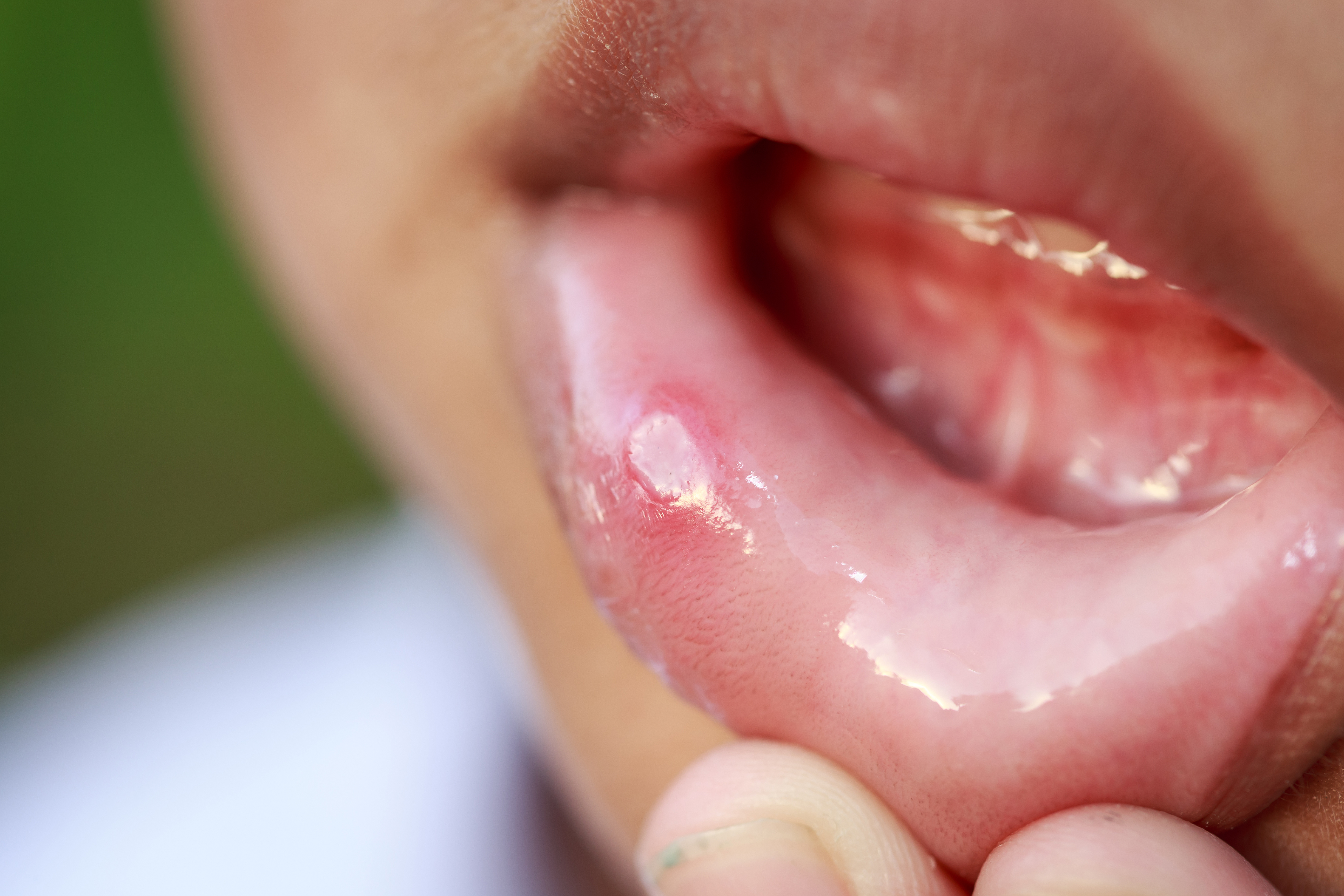
A mouth ulcer is an inflammation of the oral mucosa that most people experience, but if one doesn’t heal within two weeks or keeps forming in the same spot, another condition may be behind it. Besides treating ordinary aphthous ulcers, we also investigate further when the symptoms suggest a condition of the oral mucosa.
Treating a mucocele
A mucocele — a clear or semi-transparent, soft swelling that forms on the inside of the lip or cheek, under the tongue and similar places — occurs when the opening of a minor salivary gland in the mouth becomes blocked and saliva collects. It can heal on its own, but if it keeps coming back we carry out surgical removal.
Minor injuries in the mouth
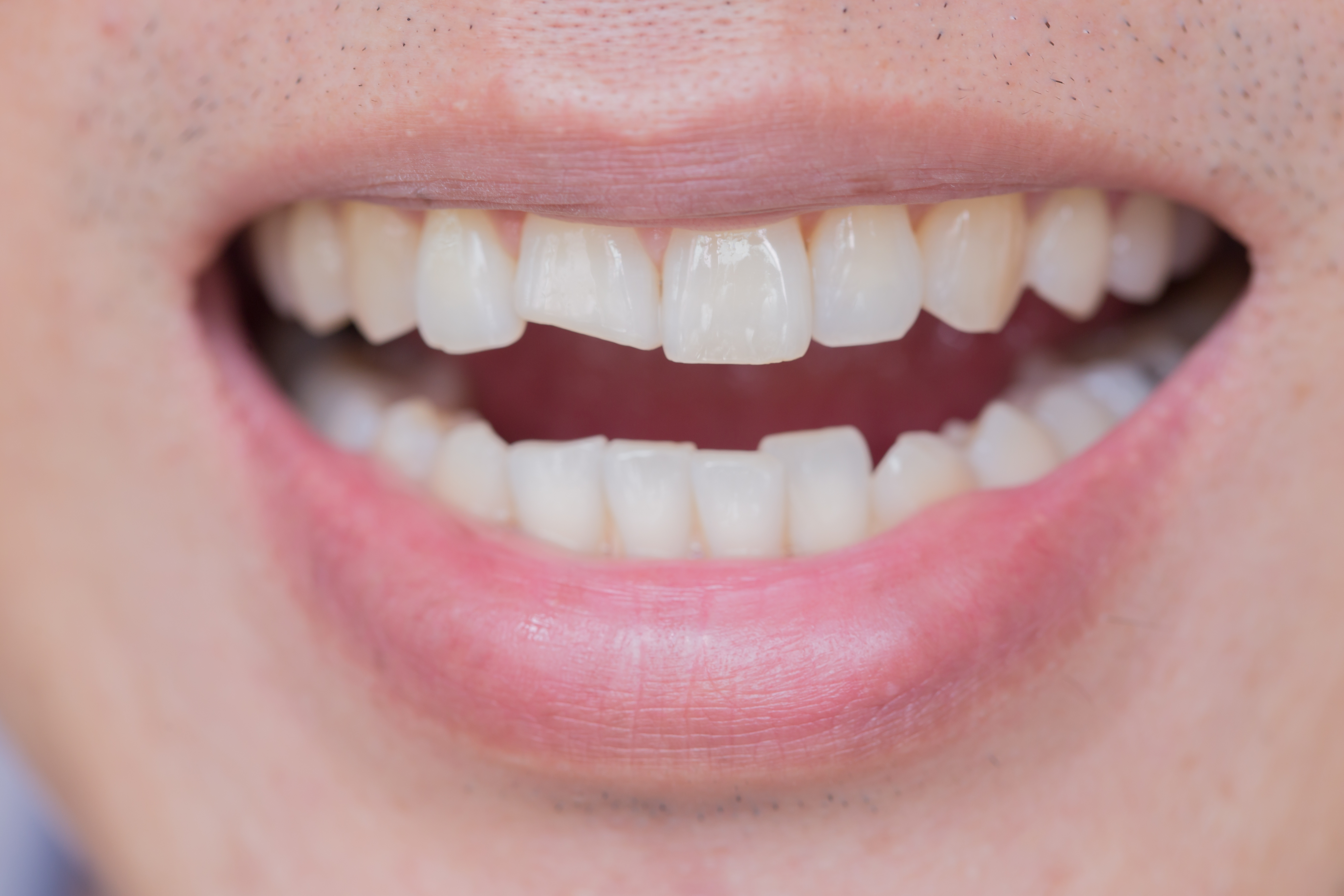
We also treat cuts inside the mouth or a knock to a tooth caused by a fall, a collision during sport, or similar injuries. For a bruise-level tooth injury (such as a loose or displaced tooth), we check its condition and give first aid. For a serious fracture or a combined injury, we refer you to a specialized facility if needed.
Other oral surgery procedures
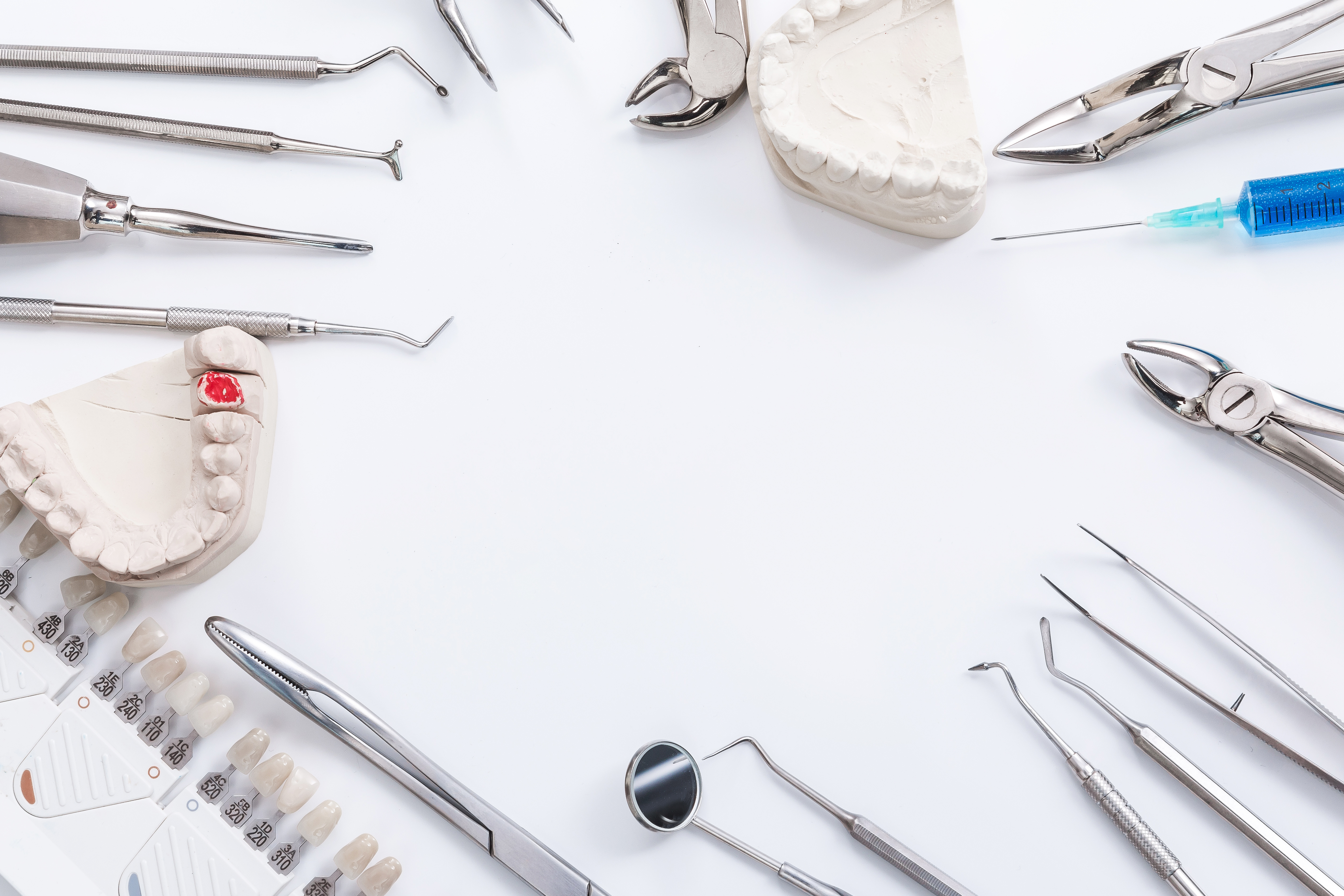
We also see a wide range of symptoms that call for a surgical approach, including swollen gums (draining pus), procedures related to a lesion at the root of a tooth, and removing a benign tumor or cyst in the mouth. If a symptom in your mouth concerns you but you’re not sure where to go, please come in and see us.
When to see us for oral surgery

We recommend talking to us early if you have any of the following symptoms.
Symptoms related to a wisdom tooth
If you have swelling or pain around your back teeth, food keeps getting stuck, or you feel your wisdom tooth pressing on the tooth next to it, a wisdom tooth may be the cause. Please talk to us before the pain gets worse.
Abnormalities of the oral mucosa
If a mouth ulcer doesn’t heal within two weeks, keeps forming in the same spot, or the mucosa shows a color change such as white or red, it may be a condition of the oral mucosa. A symptom that drags on in particular is worth seeing us about early.
A growth or swelling in the mouth
A lump or swelling forming on the lip, cheek, tongue, gums or similar places, or swelling that won’t go down, also falls under oral surgery. A mucocele or benign tumor is often the cause, but sometimes further investigation is needed, so please don’t leave it — talk to us.
Injury inside the mouth
If you’ve cut the inside of your mouth or knocked a tooth in a fall, during sport or similar, or a tooth feels loose, please come in right away. How much time has passed since the injury affects which treatments are an option.
Treatment process
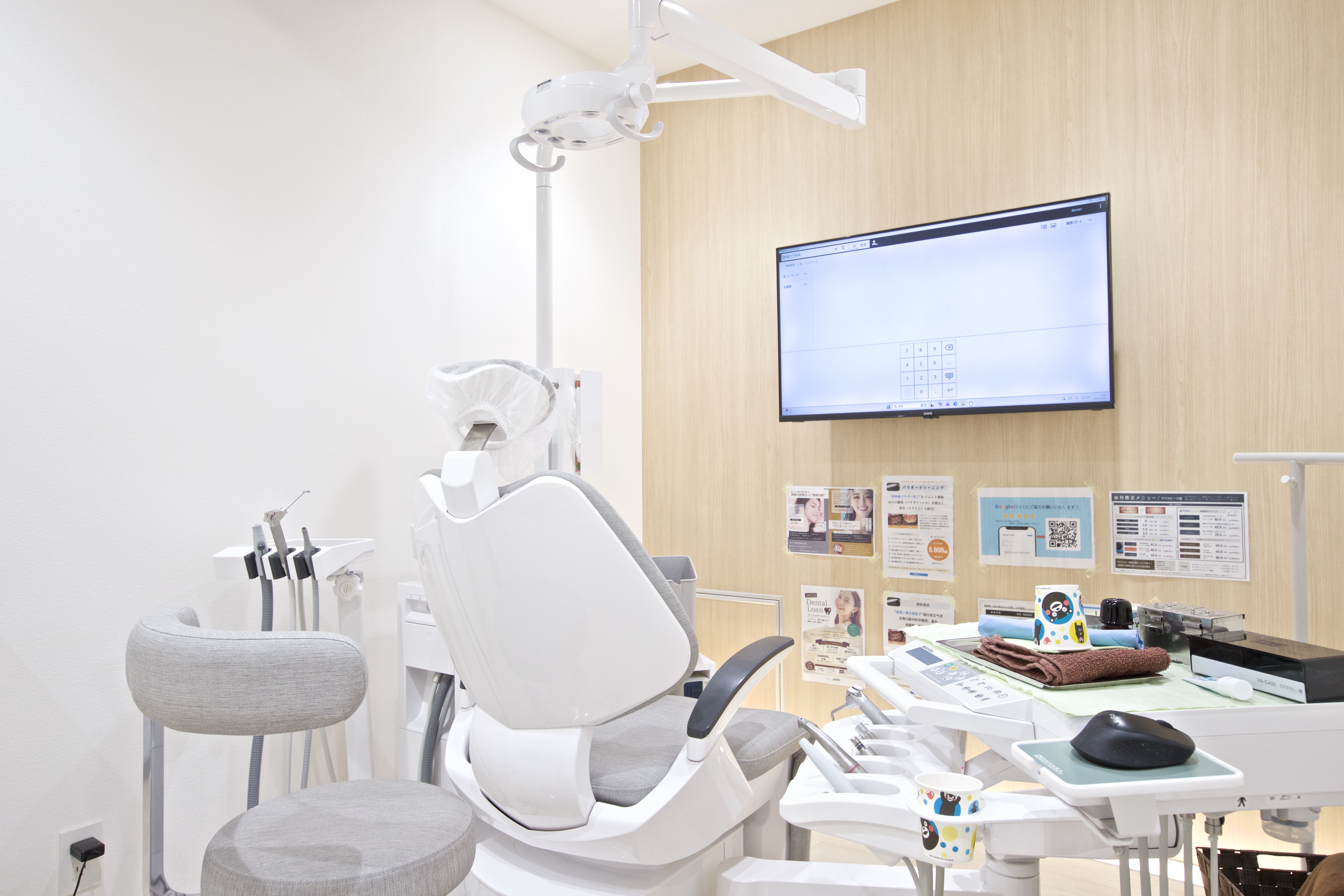
First visit, questions and examination
We ask about the course of your symptom, your current condition, and any medication you’re taking. We check inside your mouth by sight and touch, and take an X-ray or CT scan if needed.
Diagnosis and explaining our plan
Based on the examination results, we make a diagnosis and explain what the procedure involves, the risks, the cost and the timeframe. We make sure you fully understand before going ahead with treatment.
Carrying out the procedure
We carry out the procedure under local anesthesia. A surgical procedure such as an extraction or removing a mucocele can call for stitches afterward. Afterward we go over what to watch for, and prescribe medicine if needed.
Follow-up and removing the stitches
If we stitched the site, you’ll come back in about a week to have the stitches removed. We check that it has healed, and if there’s no problem the treatment is complete.
If we suspect a fracture or a malignant condition, we refer you to the right specialized facility. We put together the information you need so you can move on to the next step with confidence.
Frequently asked questions

Do I always need to have my wisdom teeth removed?
Not everyone needs a wisdom tooth removed. If it has come in straight and you can keep it clean, we may just keep an eye on it. On the other hand, if it’s impacted sideways or at an angle and is affecting the tooth next to it, or keeps causing inflammation, we may recommend extraction. We check inside your mouth and explain what’s right for you individually.
Is oral surgery covered by insurance?
Many oral surgery procedures — wisdom tooth extraction, treating a mouth ulcer, removing a mucocele and more — are covered by insurance. That said, some procedures fall outside insurance depending on what’s involved. We’ll explain this beforehand, so please don’t worry.
I have a growth in my mouth. What could it be?
It’s often a benign condition such as a mucocele, a mouth ulcer or a fibroma, but in rare cases it can be oral cancer or a precancerous lesion. If a lesion hasn’t changed in two weeks or more, or is white, red or hard, please talk to us early. We examine it by sight and touch, investigate further if needed, and explain what we find.
How soon can I eat after an extraction?
On the day of the procedure, please avoid eating until the anesthesia wears off, then start with soft foods and eat a little at a time. Food getting stuck at the extraction site, or rinsing your mouth hard, can both get in the way of healing, so please be sure to follow the aftercare instructions.
I knocked out a tooth. Should I bring it with me?
If a tooth has come out completely (avulsion), it’s important to come in as soon as possible. Depending on the condition, it may be possible to put the tooth back.