


Dental implants
A dentist trained in a university hospital’s implant department handles your care from the CT scan through surgery to the final restoration.
- You have lost a tooth and are looking for an option besides dentures or a bridge
- You have been turned down for implants elsewhere because of thin bone
Talk to us any time.
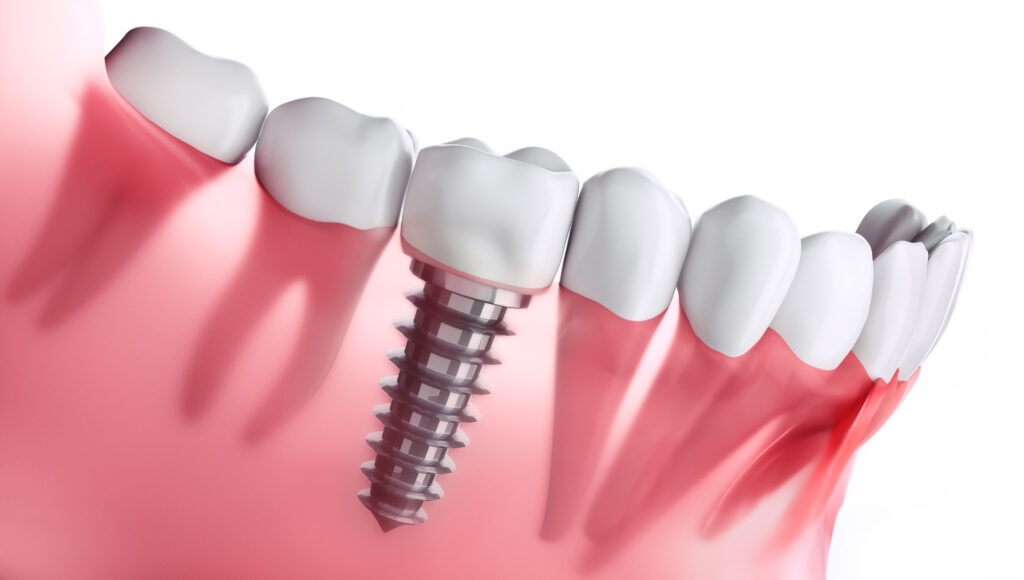
A dental implant is a treatment that restores the look and function of a missing tooth by placing a titanium artificial tooth root in the jawbone and attaching an artificial tooth (the crown) on top. Unlike dentures or a bridge, implants do not require grinding down the neighboring teeth, and they give a bite feel and appearance close to a natural tooth.
高田馬場歯科・矯正歯科 uses internationally proven implant systems and can also perform bone grafting and immediate implant placement. The CT exam, tests, and diagnosis for implant treatment are free of charge. Talk to us any time.
Table of Contents
What sets our implant treatment apart
A dentist experienced in a university hospital’s implant department
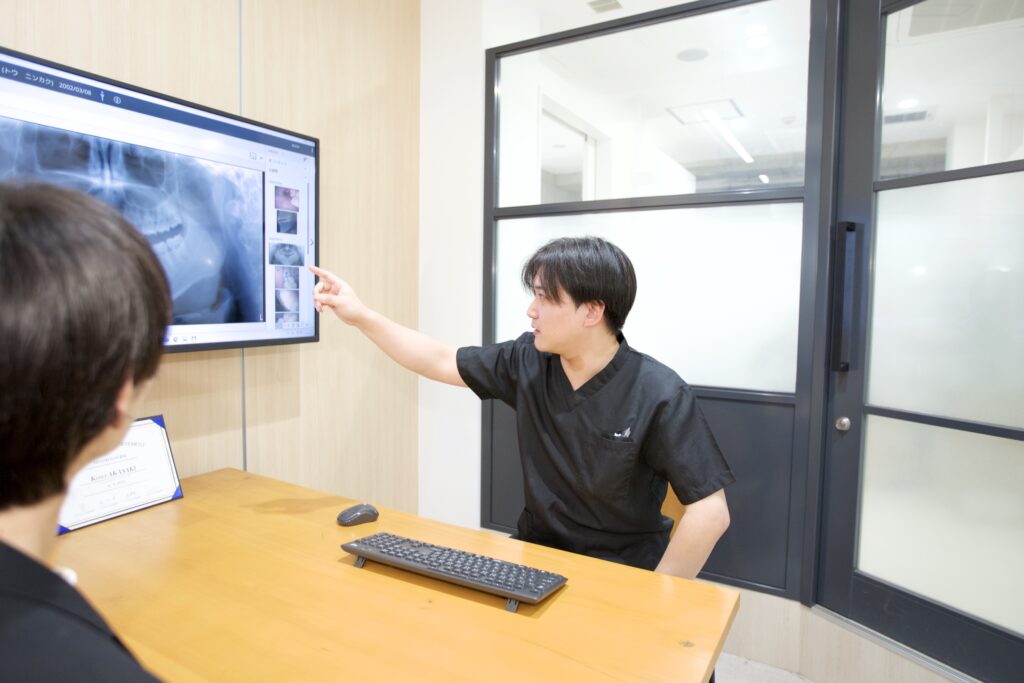
Implant treatment involves surgery. Our director trained in oral surgery at a general hospital and belongs to an implant society, and keeps his knowledge and skills up to date through regular study groups and seminars.
We carry out a thorough examination and diagnosis, checking bone volume and nerve position precisely with a CT scan before drawing up a treatment plan. The CT exam, tests, and diagnosis are free of charge.
Precise diagnosis using CT scans
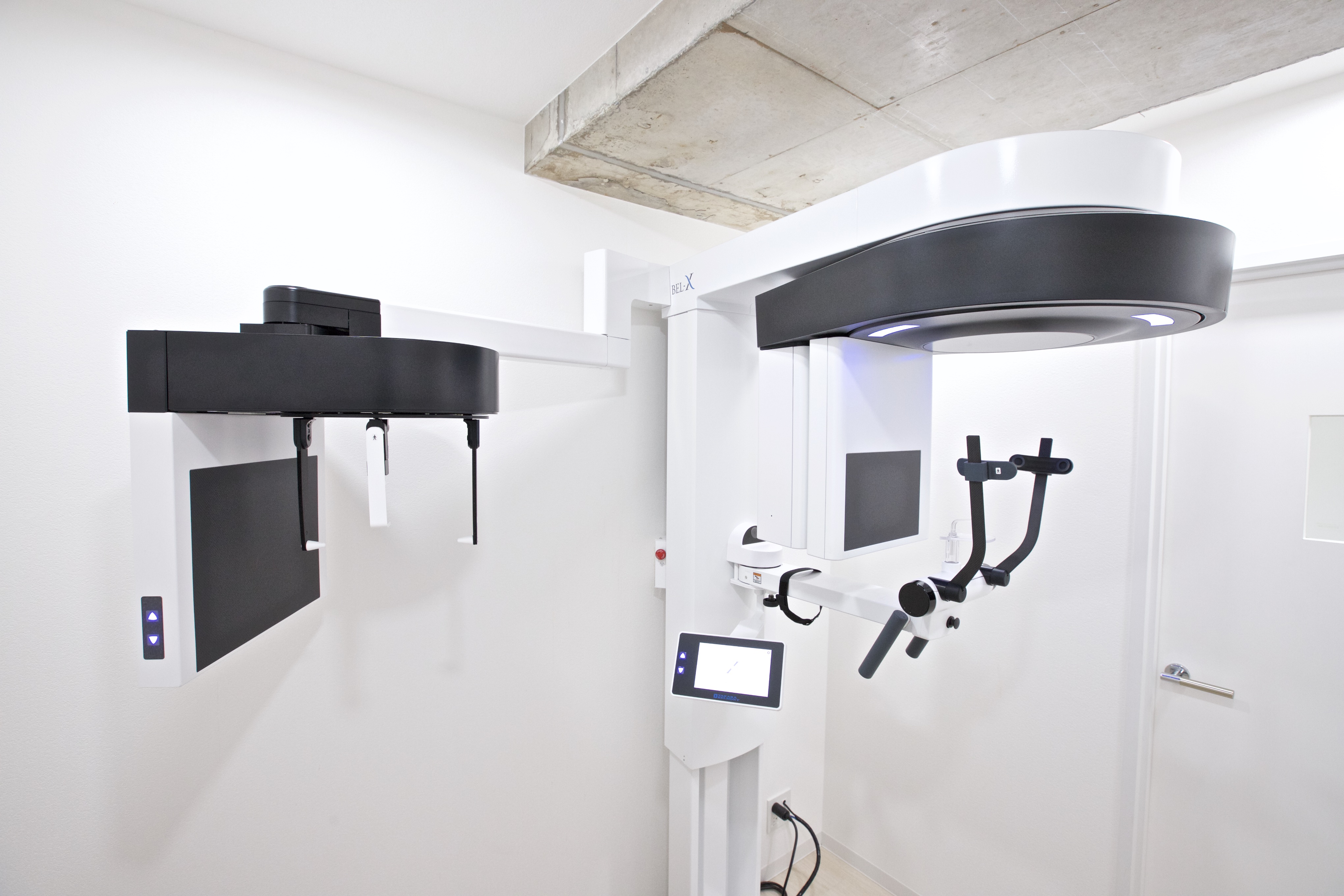
In implant treatment, knowing the thickness and height of the jawbone and the position of nerves and blood vessels beforehand is key to safe surgery. We use dental CT to carry out a precise examination before placement. The CT exam, tests, and diagnosis are free of charge.
Using a surgical guide made from the CT data lets us determine the implant position with greater precision.
Able to offer bone grafting and immediate implant placement
Some patients have been told elsewhere that implants would be difficult because of insufficient bone. We have dentists on staff who can perform bone grafting (GBR, a socket lift, or a sinus lift) when bone volume is low, and who can also perform immediate implant placement.
Bone condition varies from patient to patient. We first check the current state of your jawbone with a CT scan, then explain whether treatment is possible.
Advantages and disadvantages of implants
Advantages
No need to grind down neighboring teeth
Bridge treatment requires grinding down the healthy teeth on either side of the gap to use as anchors. Because an implant places the artificial root directly in the jawbone, treatment does not affect the neighboring teeth.
A bite feel and appearance close to a natural tooth
Because an implant fuses firmly with the jawbone, you can expect a stable bite when eating. There is less risk of it moving or shifting the way dentures can, making it easier to eat harder foods. We use a full zirconia crown for the visible part, so it looks natural too.
Long-term use is possible
With ongoing proper maintenance, an implant may go on functioning well for many years. Regular checkups and daily oral care are key to making it last.
Disadvantages
It involves surgery
Placing an implant is a surgical procedure that embeds an artificial root in the jawbone. Swelling, pain, and bleeding can occur afterward. The extent varies from person to person, but you will need to rest for a few days after surgery.
Treatment takes a while
It takes time for the implant to fuse with the bone. From the first surgery to fitting the final tooth typically takes several months. We will explain the expected treatment time in detail after your examination.
Insurance does not cover it
Implant treatment is, in principle, private-pay (not covered by insurance). If the cost is a concern, a dental loan is also available to pay in installments.
Some health conditions may rule it out
Certain conditions, such as diabetes, osteoporosis, or heart disease, and habits such as smoking, can affect the success rate of an implant. Please tell us about your medical history and any medication during the interview.
For patients with limited bone (bone grafting)
Placing an implant requires a certain thickness and height of jawbone. If time has passed since you lost the tooth, or bone has been lost to periodontal disease, an implant may not be possible as things stand. For cases like these, we offer the following bone grafting treatments.
GBR (guided bone regeneration)
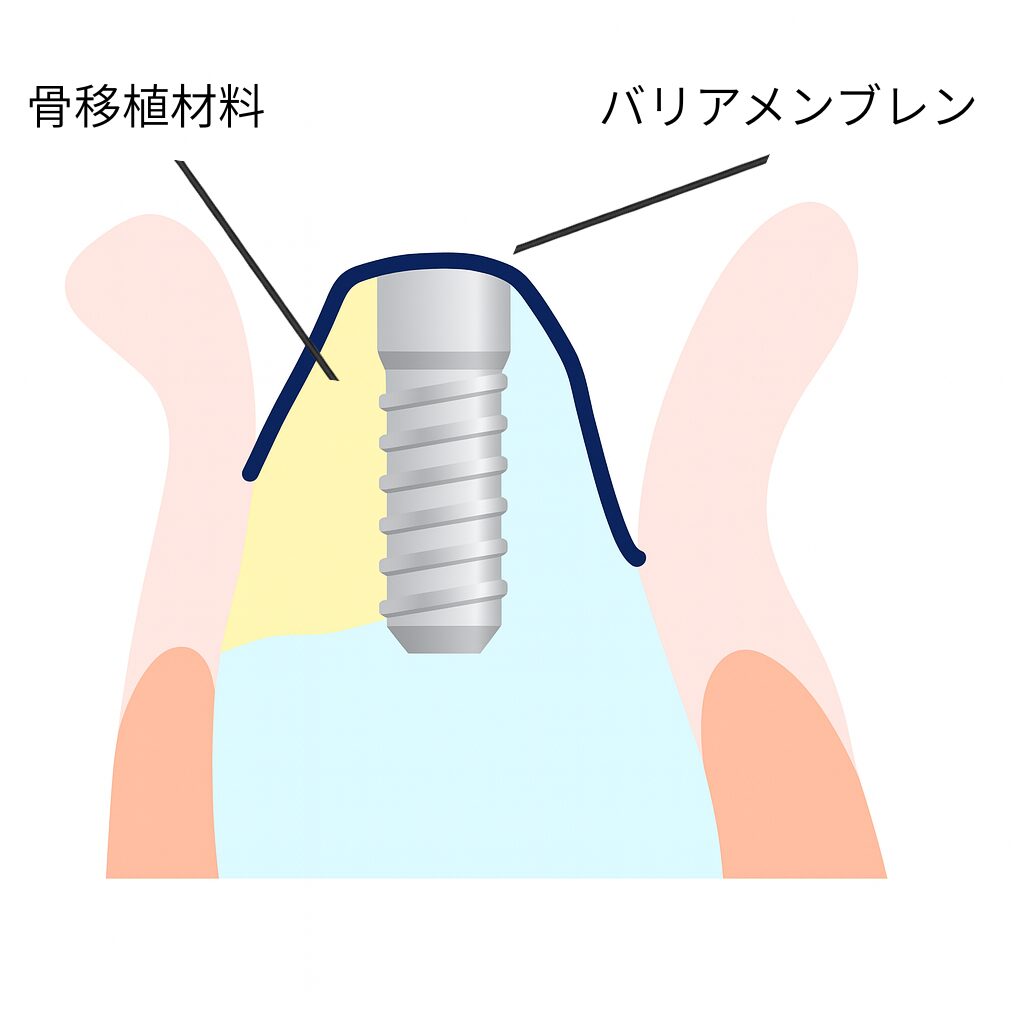
This method uses a bone graft material and a membrane at a site with insufficient bone to encourage new bone growth. It is used when the bone is not thick or tall enough. It may be done at the same time as implant placement, or bone regeneration may be carried out first, with the implant placed afterward.
Socket lift
There is a cavity called the maxillary sinus above the upper back teeth. When bone height is insufficient, this technique builds up bone by lifting the floor of the sinus. It suits cases where a reasonable amount of bone height is already present.
Sinus lift
This is a larger-scale sinus lift, used when bone height in the maxillary sinus is significantly insufficient. It is used for cases a socket lift cannot address.
Whether any of these bone grafting treatments is needed is decided based on your CT scan. If you have been told you have limited bone, please talk to us first.
About our implant systems
We use two implant manufacturers with strong track records worldwide.
Straumann
An implant system from Switzerland, used widely around the world. Years of accumulated clinical data support its long-term stability.
Osstem
An implant system from South Korea, used widely across Asia. It is also a popular choice for patients who want implant treatment at a lower cost.
We will recommend whichever system suits you based on your jawbone condition, the site being treated, and your budget.
Treatment process
First consultation and CT scan (free)
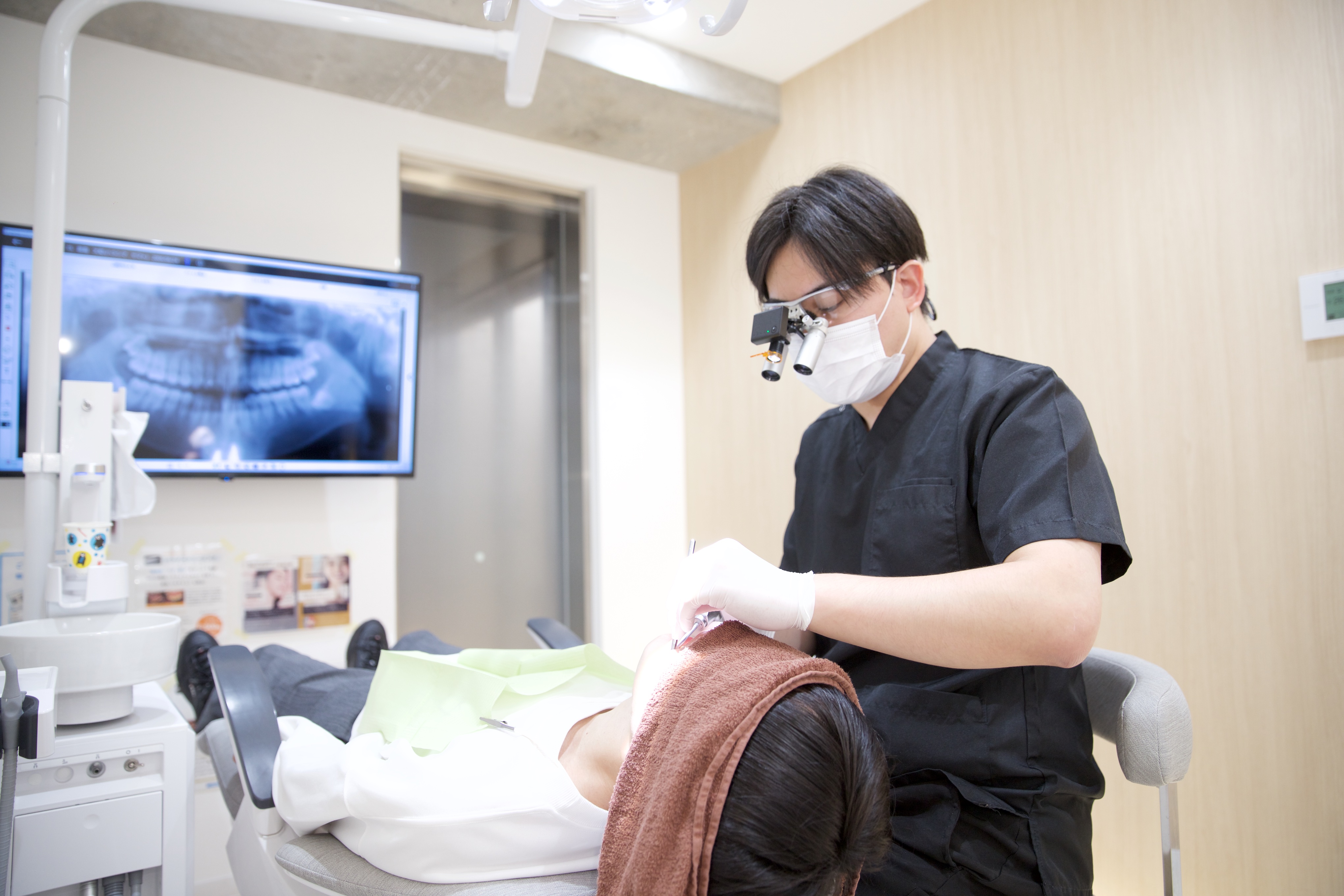
We ask about your current condition, how you lost the tooth, and what you hope for from treatment. We examine your jawbone precisely with dental CT to check whether you are a candidate for implants and whether bone grafting is needed. The CT exam, tests, and diagnosis are free of charge.
Explaining the treatment plan
Based on the examination results, we explain the system to be used, what the surgery involves, the treatment time, and the cost.
First surgery (placing the implant)
Under local anesthesia, we place the implant (artificial root) in the jawbone. If bone grafting is needed, it may be carried out at this stage as well. After surgery, the site is stitched, and the stitches are removed a few days later.
Healing period (waiting for the implant to fuse with the bone)
This is the period until the implant fuses firmly with the bone. It varies by site and bone condition, but generally takes a few months. During this time, you will wear a temporary tooth.
Second surgery (attaching the abutment)
Once we confirm the implant has fused with the bone, we carry out a second surgery to attach the abutment, the connector that supports the crown.
Fitting the crown
We fit the crown made from an impression of your teeth, completing implant treatment. We check your bite as we finish the fitting.
Regular maintenance
Regular maintenance after treatment is essential to keeping your implant working well for years to come. We regularly remove plaque and tartar and check your bite.
Price guide
Implant treatment
| Item | Price (tax included) |
|---|---|
| CT exam, tests, and diagnosis | Free |
| First placement surgery | ¥220,000 |
| Stage 2 surgery + crown | ¥220,000 |
| Osstem (first and second surgery plus crown included) | ¥440,000 |
| Straumann (first and second surgery plus crown included) | ¥605,000 |
Bone grafting and optional costs
| Item | Price (tax included) |
|---|---|
| GBR, bone graft material (small) | ¥55,000 |
| GBR, bone graft material (large) | ¥110,000 |
| GBR, membrane | ¥55,000 |
| Socket lift | ¥77,000 |
| Sinus lift | ¥220,000 |
| Surgical guide | From ¥55,000 (at cost) |
| Temporary tooth (provisional restoration) | ¥26,400 |
*All costs above are private-pay (not covered by insurance).
*The total cost varies with bone condition and treatment content; we will give full details after your examination.
*A dental loan is also available for installment payments.
Frequently asked questions

Does implant surgery hurt?
We use local anesthesia during surgery, so you should not feel strong pain during the procedure. Pain and swelling can occur once the anesthesia wears off, but this can usually be managed with the pain medication we prescribe. How much pain you feel varies from person to person, so please contact us right away if you are concerned about any symptom.
How long does treatment take?
It depends on your bone condition and whether bone grafting is needed, but from the first surgery to fitting the final tooth generally takes anywhere from a few months to about a year. If bone grafting is needed, treatment can take longer. We will explain the exact treatment time after your CT scan.
I’ve been told I don’t have much bone. Can I still get an implant?
Depending on the amount and quality of your bone, an implant may become possible after bone grafting is carried out first. We have dentists on staff who can perform bone grafting (GBR, a socket lift, or a sinus lift). We will check your current bone condition with a CT scan, then explain whether treatment is possible.
How long do implants last?
With proper maintenance and daily oral care, an implant may go on functioning well for many years. That said, this varies from person to person depending on factors such as your bite, whether you smoke, and your general health. Regular maintenance visits help keep it stable for the long term.