

Pediatric Orthodontics
Children’s orthodontics is timed to match your child’s growth, and we offer treatment with Invisalign First or Preortho.
- You’re concerned about your child’s teeth or bite
- You’re not sure when to start orthodontic treatment for your child
Talk to us any time.
Children’s orthodontics is treatment that uses your child’s own growth to guide the development of their teeth and jaw. Compared with starting orthodontic treatment as an adult, beginning while the jawbone is still growing can sometimes guide the teeth into place in a more natural way.
高田馬場歯科・矯正歯科 offers Invisalign First (clear aligner treatment for children) and Preortho, and proposes treatment suited to your child’s condition. If you’re a parent who’s been “waiting and watching because they still have baby teeth” or unsure when to come in, please visit us first — no need to worry.
Table of Contents
What makes our children’s orthodontics different
Early treatment that makes the most of your child’s growth

One of the biggest benefits of children’s orthodontics is that working with the jawbone while it’s still growing lets us shape its width and form while also securing space for teeth to come through. Starting treatment before all the permanent teeth have come in can sometimes remove the need for full orthodontic treatment later, or, even if it’s still needed, make it shorter and less involved.
If you’re concerned about your child’s teeth, we recommend coming in for a consultation rather than putting it off just because they still have baby teeth.
We offer Invisalign First and Preortho
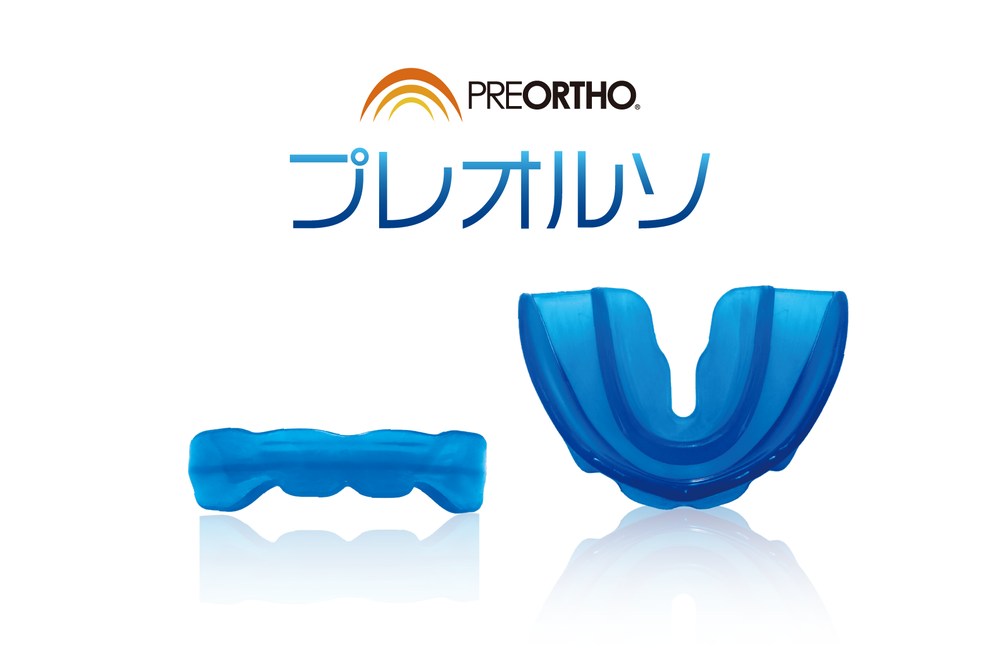
We offer two mouthpiece appliances for children: Invisalign First and Preortho. Invisalign First is a clear aligner appliance that works even for children in the mixed dentition stage, when baby teeth and permanent teeth are both present. It’s transparent and hard to notice, and it can be taken out, so its effect on school life is kept to a minimum.
Preortho doesn’t just move teeth — it’s an appliance that also works on oral function, such as how the muscles around the mouth are used and the position of the tongue. It can be especially effective for habits that harm tooth alignment, such as mouth breathing, thumb sucking, or an incorrect swallowing pattern. We’ll suggest whichever appliance suits your child’s condition and treatment goals.
Clear explanations of the treatment plan and outlook
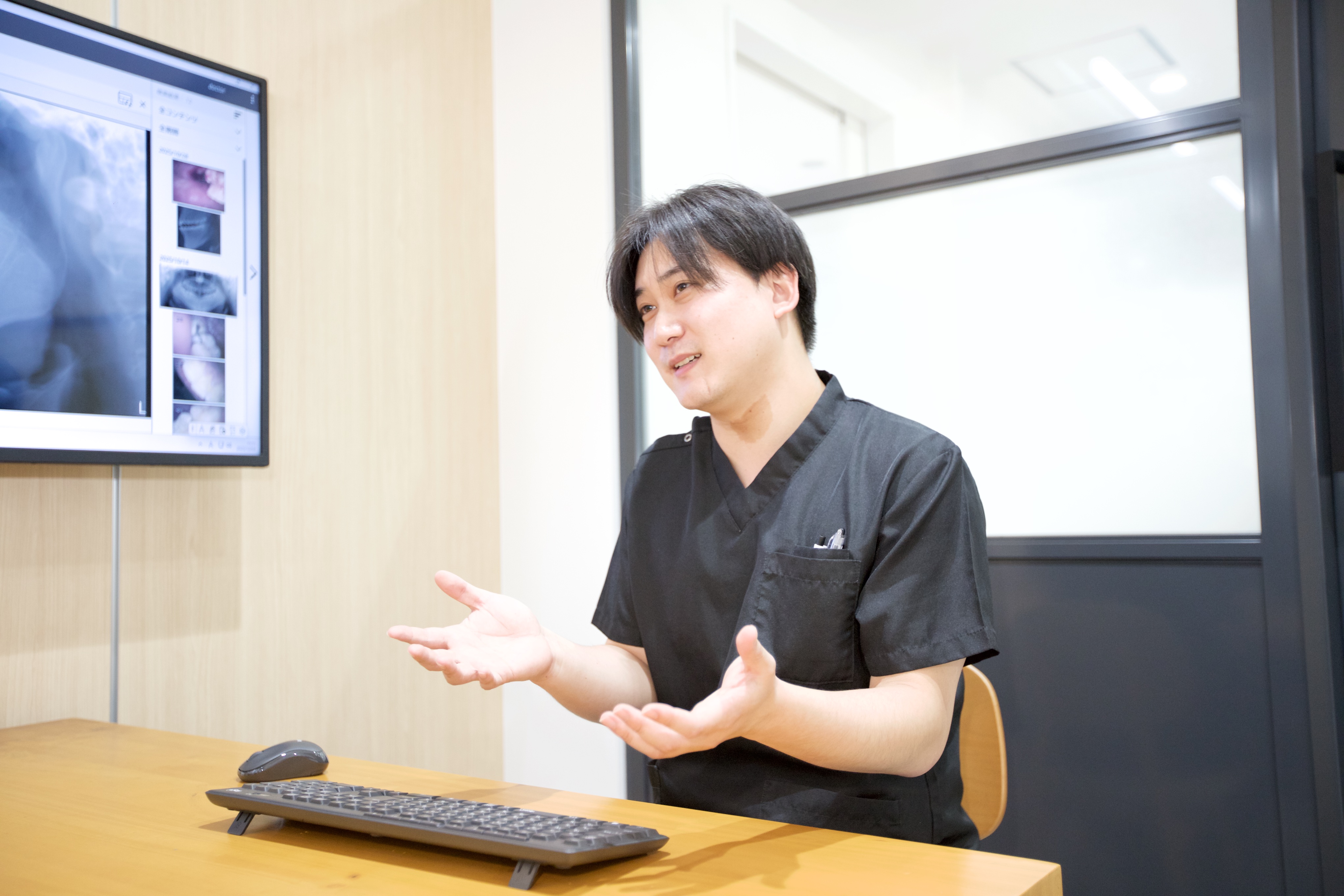
Children’s orthodontics needs the understanding and cooperation of parents, not just the child receiving treatment. Without a clear picture of “what stage we’re at now” or “what happens next,” it’s harder for families to provide support at home.
When we explain examination results and treatment plans, we avoid technical jargon wherever we can and focus on language that’s easy for parents to follow. This includes whether Phase 1 and Phase 2 treatment will be needed and what the costs are likely to be. Please ask any questions on the spot. By building a clearer understanding of the treatment, we aim to create an environment where children and their families can continue treatment without worry.
Why and when to start children’s orthodontics

Lower risk of cavities and periodontal disease
When teeth are crowded, it’s harder for the bristles of a toothbrush to reach every surface, and spots get missed. Children in particular face a higher risk of cavities from incomplete brushing, so straightening the teeth can improve how well the mouth can be cleaned and is expected to lower that risk.
Effects on jaw and whole-body development
When the bite isn’t well aligned, food may not be chewed completely, adding strain to the digestive system, and the jaw muscles and joints can end up under constant, uneven pressure. For a growing child, a correct bite is also an important factor in the balance of the whole body.
Effects on confidence
Feeling self-conscious about their teeth can lead a growing child to hide their smile, and it can even affect friendships. Once treatment has straightened their teeth, they can be expected to gain more confidence in everyday life.
A guide to when to start treatment
Phase 1 treatment is generally aimed at children around 6 to 10 years old, when baby and permanent teeth are both present. That said, for cases such as an underbite where early treatment is preferable, we may consider starting even earlier. If you’re unsure when to come in, please start with a consultation.
The difference between Phase 1 and Phase 2 treatment
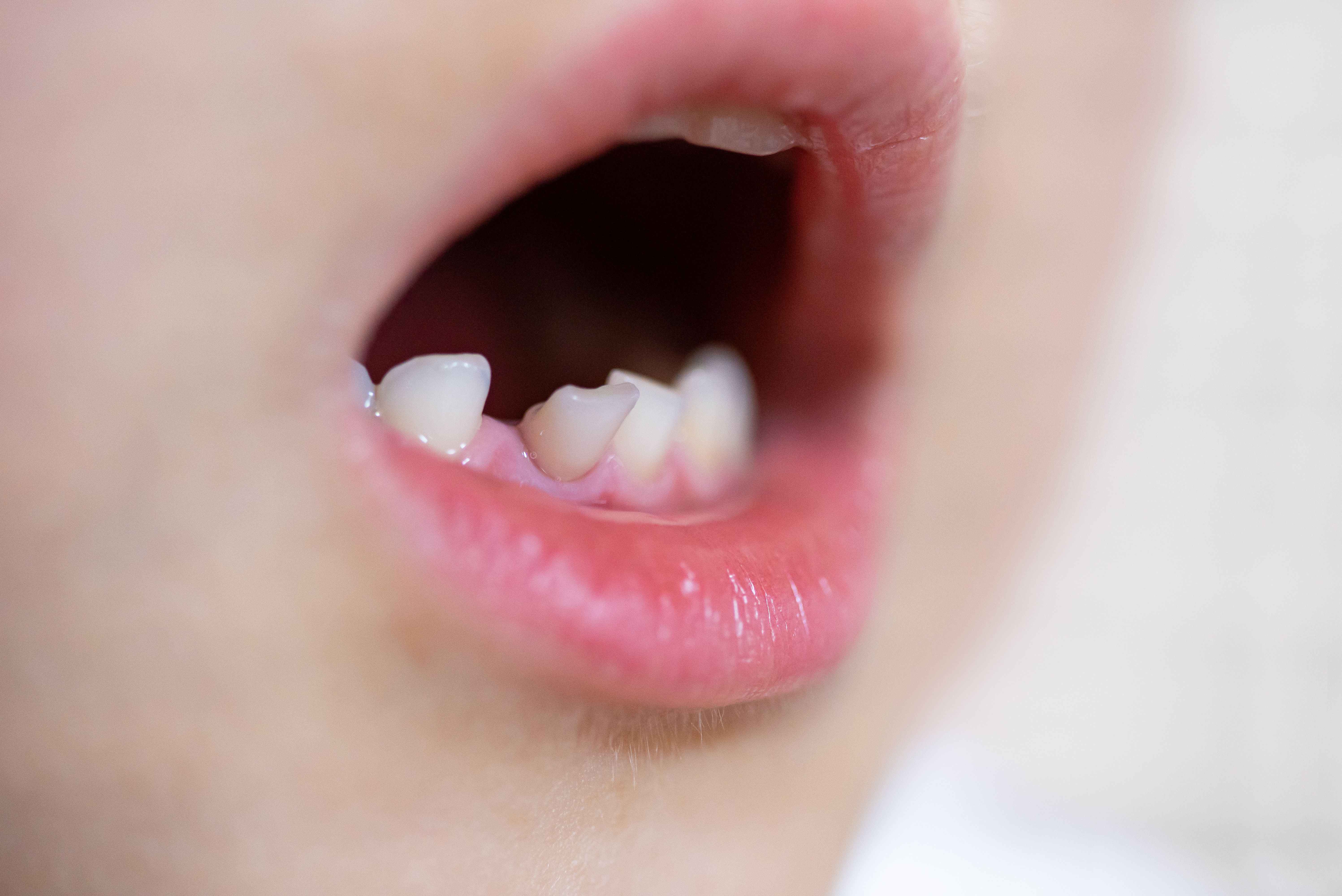
Children’s orthodontics is divided into two stages: Phase 1 treatment and Phase 2 treatment.
Phase 1 treatment (while baby teeth remain, around ages 6 to 10)
The goal is to use the growth of the jawbone to secure space for teeth to come through and to balance the upper and lower jaw. Because the jawbone can still be adjusted easily at this stage, it may be possible to shape it using comparatively gentle force.
Phase 2 treatment (permanent dentition stage, from around age 12)
This is carried out after all the permanent teeth have come in, and is similar to adult orthodontic treatment. Its goal is to improve whatever Phase 1 treatment didn’t fully resolve and to finish shaping the overall alignment of the teeth. When Phase 1 treatment is done well, Phase 2 treatment can sometimes be shorter and less involved.
Whether both Phase 1 and Phase 2 will be needed, and which appliance we’ll use, will be explained after a detailed examination.
Types of children’s orthodontic appliances
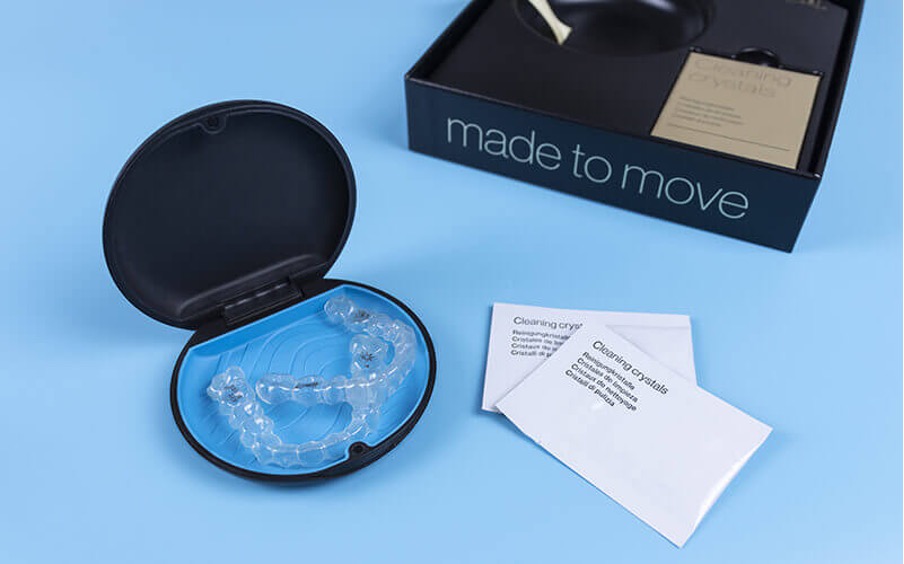
| Appliance | For | Features |
|---|---|---|
| Invisalign First: First One | Phase 1 (baby teeth present) | Clear, removable aligner with little effect on school life |
| Invisalign First: First Two | Phase 2 (permanent teeth only) | Clear, removable aligner |
| Invisalign First: First Set (Phase 1 and Phase 2) | Covers both phases together | Both phases planned as a single package |
| Preortho | Mixed dentition stage (roughly ages 4 to 12) | Also trains oral muscle function, and can help correct oral habits |
| Muh-Shield | Early correction of underbite (crossbite) | Worn mainly while sleeping |
Risks and things to know about children’s orthodontics

Phase 2 treatment may still be needed after Phase 1
Phase 1 treatment is ultimately a preparatory stage that makes use of jaw growth, and there are cases where orthodontic treatment is needed again once the permanent teeth are fully in. We explain this possibility before starting treatment, so there’s no need to worry.
Support at home matters for using the appliance
Because a clear aligner can be taken out, there’s a risk that a child may decide on their own to leave it out. Reminders and support at home for meeting the required daily wear time have a big effect on how treatment progresses.
The treatment plan may change as your child grows
Your child’s jaw keeps growing during orthodontic treatment, so we may adjust the treatment plan as things progress. It’s important to check progress through regular follow-up visits as treatment moves forward.
Treatment process
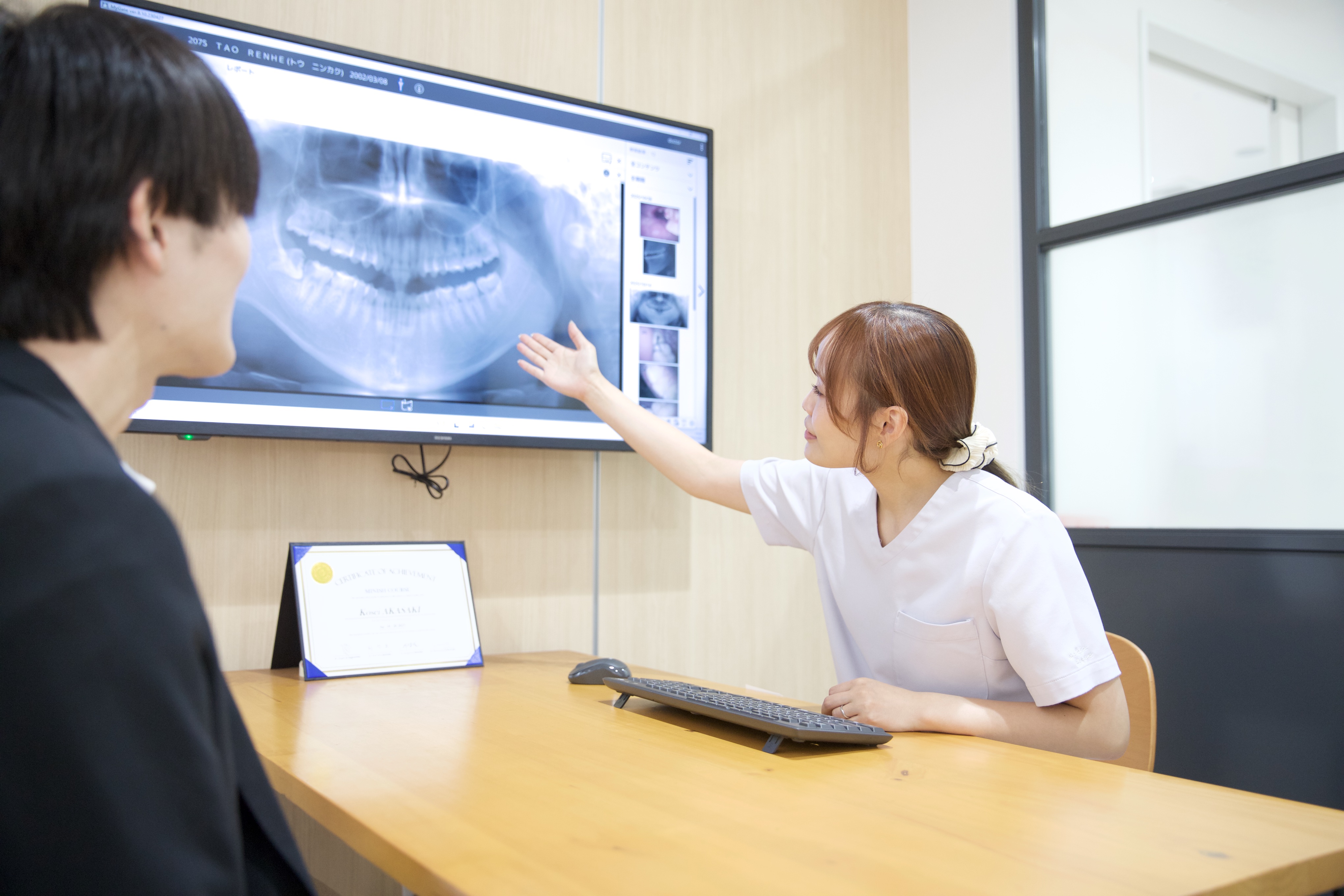
Initial consultation (free)
We listen to your concerns about your child’s teeth and growth, check the current state of their teeth, and let you know whether treatment is needed and roughly when to start.
Detailed examination
We use X-rays and an intraoral scan with iTero to examine how the jaw is developing and how the teeth are coming in. We also check the condition of the tooth roots and the stage of jawbone development.
Treatment plan explanation
Based on the examination results, we explain the treatment approach, the appliance to be used, the treatment timeline, and the cost to parents. If both Phase 1 and Phase 2 are likely to be needed, we let you know at this stage too.
Treatment begins
Once the appliance is fitted, treatment continues with regular visits to monitor progress. Visit frequency varies with the type of appliance and stage of treatment, but is typically about once every 1 to 3 months.
Follow-up
Even after Phase 1 treatment ends, we continue to monitor how the permanent teeth are coming in. Once the permanent teeth are fully in, we carry out another examination and explain whether Phase 2 treatment (full orthodontic treatment) is needed.
Cost guide
Orthodontic plans
| Plan | Price (tax included) |
|---|---|
| Invisalign First: First One (Phase 1) | ¥495,000 |
| Invisalign First: First Two (Phase 2) | ¥440,000 |
| Invisalign First: First Set (Phase 1 and Phase 2) | ¥880,000 |
| Preortho | ¥110,000 |
| Muh-Shield | ¥55,000 |
Basic and optional fees
| Item | Price (tax included) |
|---|---|
| Initial consultation | Free |
| Detailed examination fee | ¥44,000 |
| Retainer | ¥55,000 |
*All of the above are private treatment (not covered by insurance).
*Payment by installments through a dental loan is also available.
*Additional costs may apply depending on the case. We’ll give you details after an examination.
Frequently asked questions

When should my child start orthodontic treatment?
Phase 1 treatment is generally aimed at children around 6 to 10 years old, but for cases such as an underbite, earlier treatment can sometimes be more effective. Please don’t wait just because your child still has baby teeth — come talk to us as soon as something concerns you. Understanding your child’s condition early means you won’t miss the best timing for treatment. The initial consultation is free.
What if my child doesn’t want to wear the appliance?
It can take some time for a child to get used to wearing the appliance. Clear aligner appliances like Invisalign First can be taken out, so it’s fine to remove them during school lunch, club activities, or lessons. We take care to stay in tune with how your child is feeling and move forward at a pace that doesn’t push them too hard. For children who feel especially anxious, we take plenty of time to help them get used to it before moving on.
If my child has orthodontic treatment now, will they avoid needing it as an adult?
Phase 1 treatment doesn’t always make Phase 2 unnecessary, but by securing space for teeth to come through and balancing the jaw, it can make future orthodontic treatment lighter. As treatment progresses, we’ll keep explaining whether Phase 2 treatment is likely to be needed.
Is children’s orthodontics covered by insurance?
General children’s orthodontics is private treatment, not covered by insurance. However, insurance can apply under certain conditions, such as congenital conditions like a cleft lip or cleft palate — please ask us for details. If cost is a concern, installment payment through a dental loan is also available.
Does treatment make cavities more likely?
Because a clear aligner can be taken out, you can brush as usual. One advantage over fixed bracket orthodontics is that it’s easier to keep clean. That said, brushing well each time the appliance is removed still matters. We also offer brushing guidance, so please feel free to ask us about oral care during treatment.