


Ceramics & Crowns
From choosing the material for your filling or crown through to the finished result, our director — who belongs to a professional society for cosmetic dentistry — recommends what’s right for each patient.
- Anyone concerned about the appearance or wear of a silver filling, or troubled by a metal allergy
- Anyone unsure which material is right for them and unsure how to choose
Please talk to us, even just once.
There’s a wide range of options for fillings and crowns, from insured silver fillings to ceramic materials with excellent aesthetics. 高田馬場歯科・矯正歯科 offers several materials, including zirconia, e-max, hybrid, and gold, and we recommend the material best suited to the condition and location of the tooth, along with your wishes and budget.
Even if you’re not sure which material suits you, we’ll go through everything at your consultation, so please feel free to talk to us first.
Table of Contents
What sets our ceramics and crowns apart
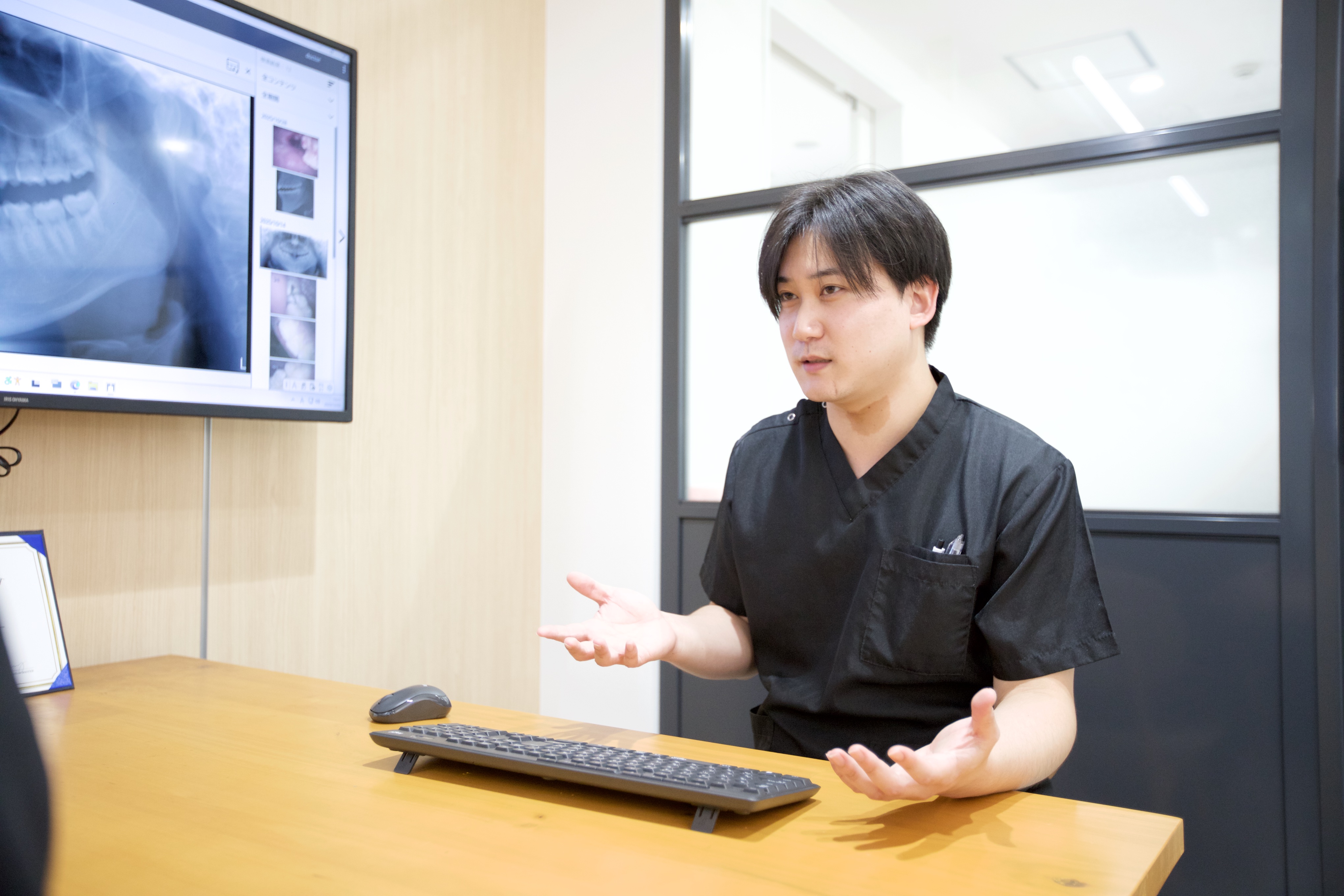
A director who belongs to a professional society for cosmetic dentistry oversees everything closely, from material selection to color matching
Our director belongs to a professional society for cosmetic dentistry and puts balancing dental function with appearance at the center of treatment. Ceramic treatment isn’t just about choosing a material — precision in how the tooth is shaved, the bite is adjusted, and the color is matched all directly affects the final result. We use a high-magnification loupe for precise work and carry out shade taking (matching the color of your teeth), aiming for a natural result that blends in with the neighboring natural teeth.
Ceramic crowns and fillings come with a 5-year warranty, and we’ll take care of any problem that comes up within that period.
Several materials available, so you can choose based on the tooth’s location, condition, and your budget
There’s more than one material used for crowns and fillings. The best material depends on whether you prioritize appearance or strength, and where you set your budget. We offer a wide range, from ceramic materials (zirconia, e-max) to hybrid and gold, and we recommend a material based on factors such as whether the tooth is at the front or back, and the size of the cavity.
So you can choose with confidence from the full range of options, including insured silver fillings, we go through the advantages and disadvantages of each material at your consultation.
Precise examination so we never miss decay hiding beneath a silver filling
Over time, the material in a silver filling can deteriorate, and a gap can form at the border with the tooth. Cavities can then progress quietly beneath the surface from there, and it’s not uncommon for the problem to have become serious by the time it’s noticed.
We use dental CT imaging as needed to check the condition beneath a silver filling before recommending a treatment plan. Switching to ceramic or another material that takes metal allergies into account helps lower the risk of material deterioration while improving the environment inside your mouth.
The difference between insured silver fillings and private materials
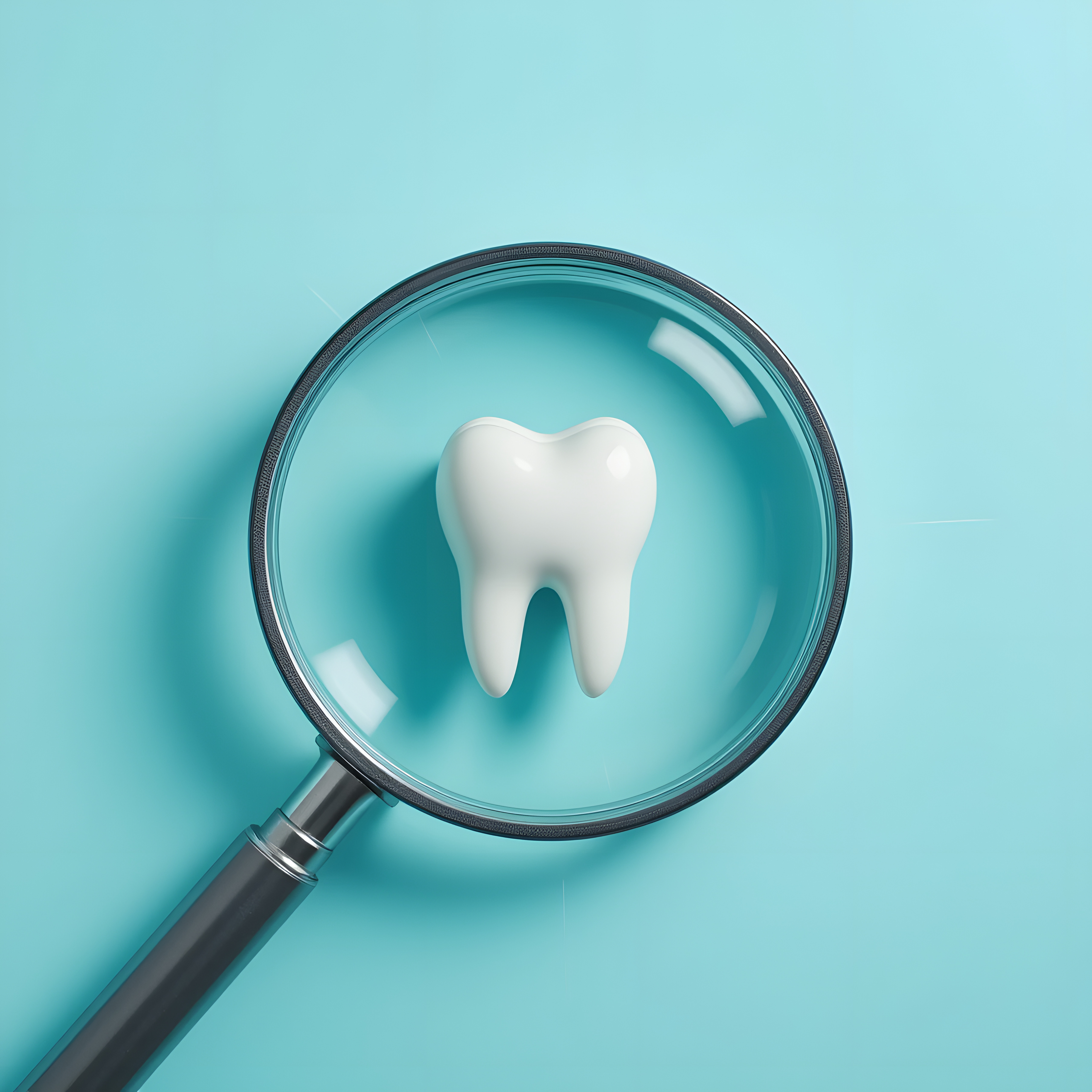
Insured silver fillings have the advantage of lower cost, but there are concerns beyond appearance. Metal materials tend to discolor and deteriorate over time, and once a fine gap forms at the border with the tooth, cavities are more likely to recur. There’s also a concern about the effect on the body for patients with a metal allergy.
Private materials such as ceramic and gold each have their own characteristics, but they deteriorate less easily than insured silver fillings, and more patients are choosing them from the standpoint of long-term oral health.
| Cost | Appearance | Durability | Metal allergy | Staining | |
|---|---|---|---|---|---|
| Insured silver filling | Covered by insurance | ✕ Noticeable | △ Prone to deterioration and discoloration | △ Some risk | △ Prone to staining |
| Ceramic | Private | ◎ Close to a natural tooth | ◎ Resists discoloration | ◎ No metal used | ◎ Resists staining |
| Gold | Private (market price) | △ Gold-colored | ◎ Very high | △ Depends on the material | ○ Resists staining |
Materials and features for crowns and fillings
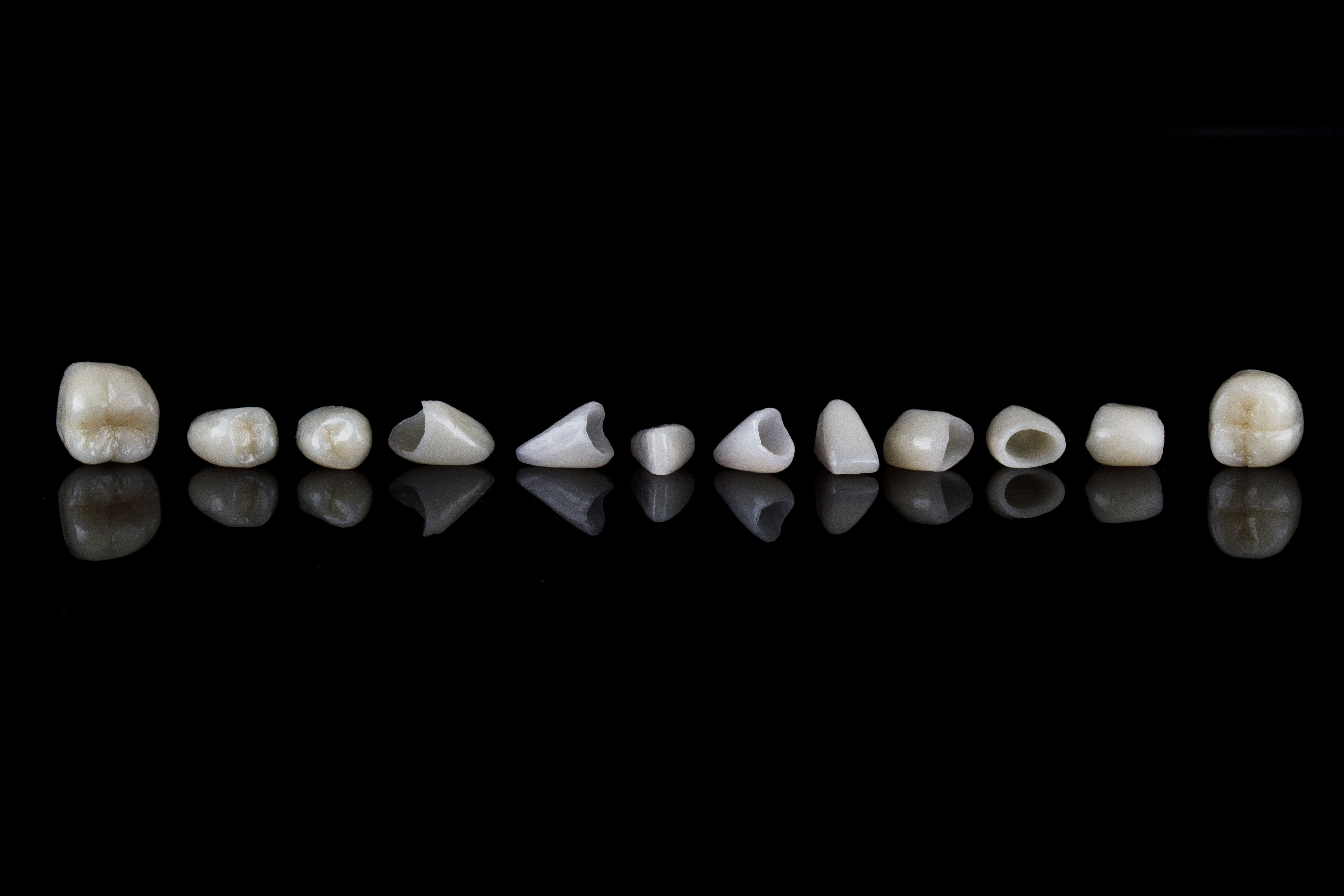
Zirconia-bonded crown
This crown layers ceramic over a zirconia core, combining strength and translucency at a high level. It gives a natural result close to a real tooth, so it suits a wide range of teeth from front to back. It’s one of the crowns our patients choose most often, and it comes with a 5-year warranty.
Full zirconia crown
This crown is made entirely from a single zirconia material and is especially strong. Its translucency is a little less than the zirconia-bonded crown, but it suits back teeth, where biting force tends to concentrate. Because of its white color, it also looks more natural than a silver filling.
e-max crown
Made from a glass-ceramic material, this crown has excellent translucency and shine, making it well suited to aesthetic restoration of front teeth. Its strength is lower than zirconia materials, so it’s mainly used on front teeth.
Hybrid inlay
This filling is made from a composite material that combines ceramic and resin. It’s not as strong or as aesthetic as pure ceramic, but it gives a more natural look than a silver filling. We can offer it as an option if you want to keep costs down.
Gold and gold-palladium (crown or filling)
Made from gold or a metal alloy, this material fits teeth closely and is very durable. Because it’s gold in color, it’s less aesthetic, but it’s sometimes chosen by patients who prioritize bite and fit, or for use on back teeth. Because gold is priced at the current market rate, please ask us for exact costs at your consultation.
Material comparison table
| Material | Type | Aesthetics | Strength | Metal | Recommended for |
|---|---|---|---|---|---|
| Zirconia bond | Crown | ◎ | ◎ | None | Front to back teeth, for anyone who wants to balance appearance and strength |
| Full zirconia | Crown | ○ | ◎ | None | Back teeth and other cases where strength matters most |
| e-max | Crown | ◎ | ○ | None | Anyone who wants to prioritize translucency and shine in their front teeth |
| Zirconia inlay | Filling | ◎ | ◎ | None | Small to medium cavities, for anyone who prioritizes appearance and durability |
| e-max inlay | Filling | ◎ | ○ | None | Fillings around the front teeth, for anyone who prioritizes translucency |
| Hybrid inlay | Filling | ○ | △ | None | Anyone who wants to keep costs down, or is switching from a silver filling |
| Gold and gold-palladium | Crown or filling | △ | ◎ | Yes | Anyone who wants to prioritize durability and fit above all else |
About the post core
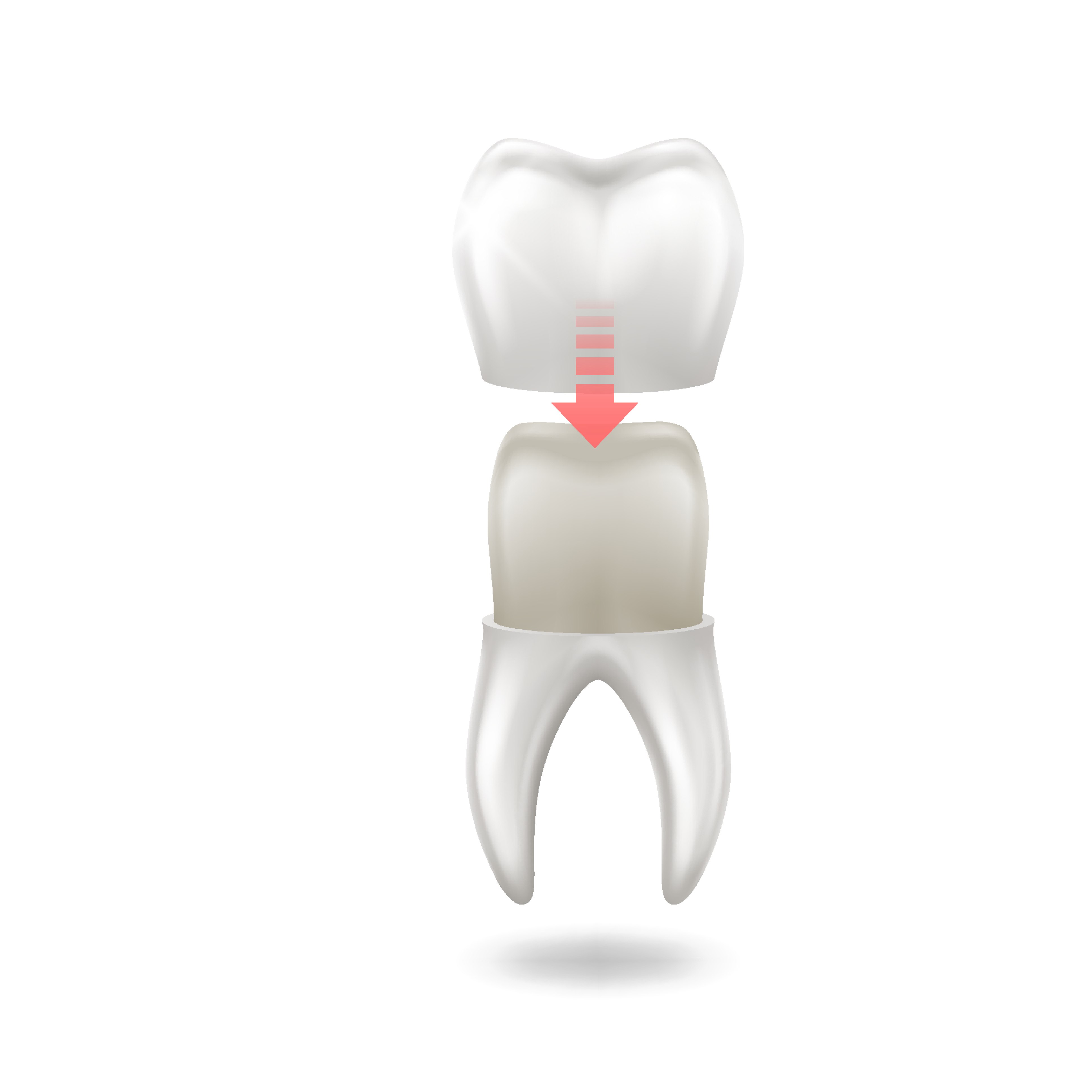
When a cavity has progressed significantly, or when placing a crown on a tooth that’s had a root canal, a “post core” is needed to keep the crown stable.
We use a fiber post core as the post. It’s made from glass fiber and has a hardness close to that of a natural tooth, so it helps absorb impact when biting force is applied and reduces the risk of the tooth cracking. Unlike a metal post, it also won’t show through the tooth as a dark shadow, so it’s better from an aesthetic standpoint too.
Treatment process

Consultation
We ask about the tooth that’s concerning you, what result you’d like, and your budget. We take an X-ray (and a CT scan if needed) to understand the current state of the tooth, including what’s happening inside it.
Treatment plan and material recommendation
Based on the results of the examination, we explain suitable materials along with the cost, treatment period, and risks. We present several options, and treatment goes ahead once you’re satisfied.
Tooth preparation and impression
We remove any decay and any existing restoration, then take an impression for the new filling or crown. On this day, you’ll go home with a temporary filling or temporary tooth in place.
Fitting and adjusting the restoration
We fit the filling or crown made at the dental laboratory into your mouth. We check the bite and color and make any fine adjustments needed to finish the work.
Regular maintenance
After the restoration is fitted, we recommend regular visits every 3 months. If you clench or grind your teeth, the ceramic is at risk of chipping, so we may also recommend using a night guard where needed.
Guide to cost
Crowns
| Material | Price (tax included) | Warranty |
|---|---|---|
| Zirconia-bonded crown | ¥168,300 | 5-year warranty |
| Full zirconia crown | ¥146,300 | — |
| e-max crown | ¥113,300 | — |
| Gold and gold-palladium crown | Market price | — |
Fillings (inlays)
| Material | Price (tax included) | Warranty |
|---|---|---|
| Zirconia inlay | ¥88,000 | 5-year warranty |
| e-max inlay | ¥77,000 | 5-year warranty |
| Hybrid inlay | ¥66,000 | — |
| Gold and gold-palladium inlay | Market price | — |
Other
| Item | Price (tax included) |
|---|---|
| Fiber post core | ¥22,000 |
| Temporary tooth (made in-house) | ¥3,300 |
| Temporary tooth (outsourced) | ¥6,600 |
| Placement fee (per tooth) | ¥3,300 |
*All ceramic and gold materials are private treatment (not covered by insurance). A dental loan is also available. Depending on the condition of the tooth, you may need a post core or root canal treatment, which would add to the cost.
Frequently asked questions

Can ceramic be used on back teeth too?
Yes, it can be used on back teeth. Zirconia materials, with their excellent strength in particular, suit back teeth, where biting force tends to concentrate. That said, if you clench or grind your teeth heavily, the material is at risk of chipping, so we may recommend using a night guard alongside it. We’ll check the condition of your teeth and your bite before recommending the best material for you.
Can an existing silver filling be replaced with ceramic?
Yes, we can do that. However, if decay has progressed inside the tooth once the silver filling is removed, that needs to be treated first. Depending on how much of the tooth remains, redoing the post core or a root canal may also be needed. We’ll first check inside your mouth, then explain your condition and options.
How long does ceramic last?
This varies depending on the type of material, your daily brushing habits, how often you come in for maintenance, and the condition of your bite. With proper care, it can often last a long time, but if you clench or grind your teeth heavily, the risk of chipping or coming loose is higher. We recommend regular visits every 3 to 4 months and check the condition each time.
Who is a gold crown suited to?
It suits anyone who prioritizes durability and fit with the bite over appearance, especially those who want a material that will simply last, particularly for back teeth. Because it’s a metal material, it’s less aesthetic, but it fits teeth closely and has a long track record of use. If you have a metal allergy, please let us know beforehand.
Is a fiber post core always necessary?
It’s needed when placing a crown on a tooth that’s had a root canal, or on a tooth where a lot of structure has been lost to decay. On the other hand, if enough of the tooth remains, a post core may not be needed. Whether one is needed depends on the condition inside your mouth, so please ask us at your consultation.