


Mucocele treatment
We take a close look at any growth or swelling in the mouth by sight and touch, and recommend the right treatment.
- You have a swelling that keeps coming back on the inside of your lip or cheek
- You’re concerned about a growth in your mouth but aren’t sure where to go
Talk to us any time.
A clear or semi-transparent, soft swelling can form on the inside of the lip, the lining of the cheek, under the tongue and similar places. This is called a mucocele — a growth in the mouth that occurs when the opening of one of the many minor salivary glands in the mouth becomes blocked for some reason, letting saliva collect and swell into a small pouch.
A mucocele is not malignant, and in many cases it causes little disruption to daily life, but even if it shrinks on its own, it can keep coming back. At 高田馬場歯科・矯正歯科 we handle everything in house, from checking the symptom to surgical treatment. If you have a swelling that keeps recurring, or any change in your mouth that concerns you, please come in and see us.
Table of Contents
What sets our mucocele care apart
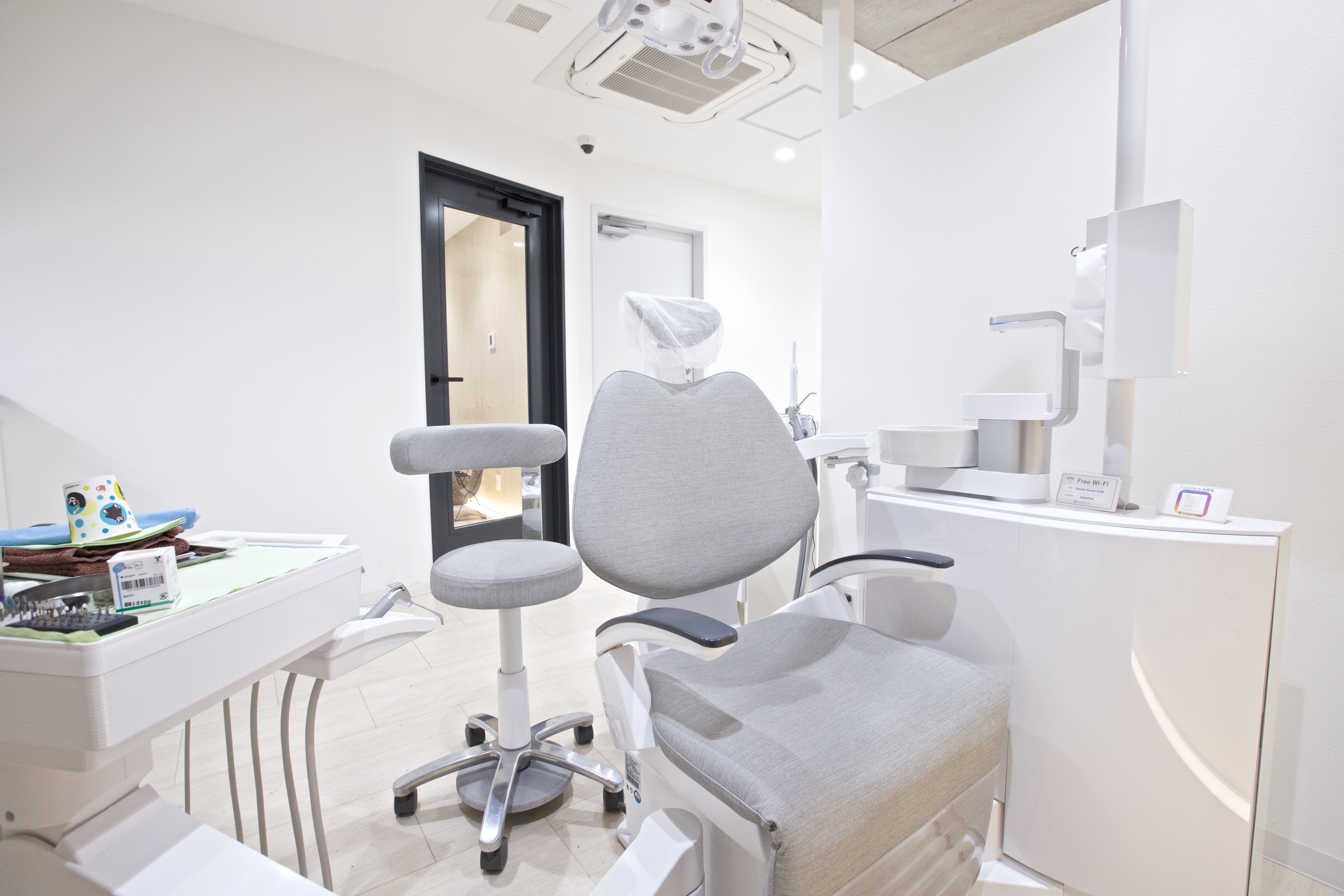
A careful check by sight and touch
A mucocele is a condition that can often be diagnosed from how it looks and feels, though in some cases it needs to be distinguished from other conditions with similar symptoms. We examine it by sight and touch, check the state of the symptom, and then explain whether treatment is needed and what it would involve.
Surgical removal available
A mucocele can shrink on its own, but if it keeps coming back we carry out surgical removal. We perform the removal under local anesthesia, and explain the procedure, its risks and the recovery beforehand in plain terms.
Distinguishing it from other conditions too
Many people worry that a growth in the mouth might be something serious. A mucocele is a benign condition, but in rare cases another condition can be hiding behind it. We make the right judgment based on the state of the symptom, and refer you to a specialized facility if needed. If you have a symptom that concerns you, please talk to us first.
Symptoms and features of a mucocele
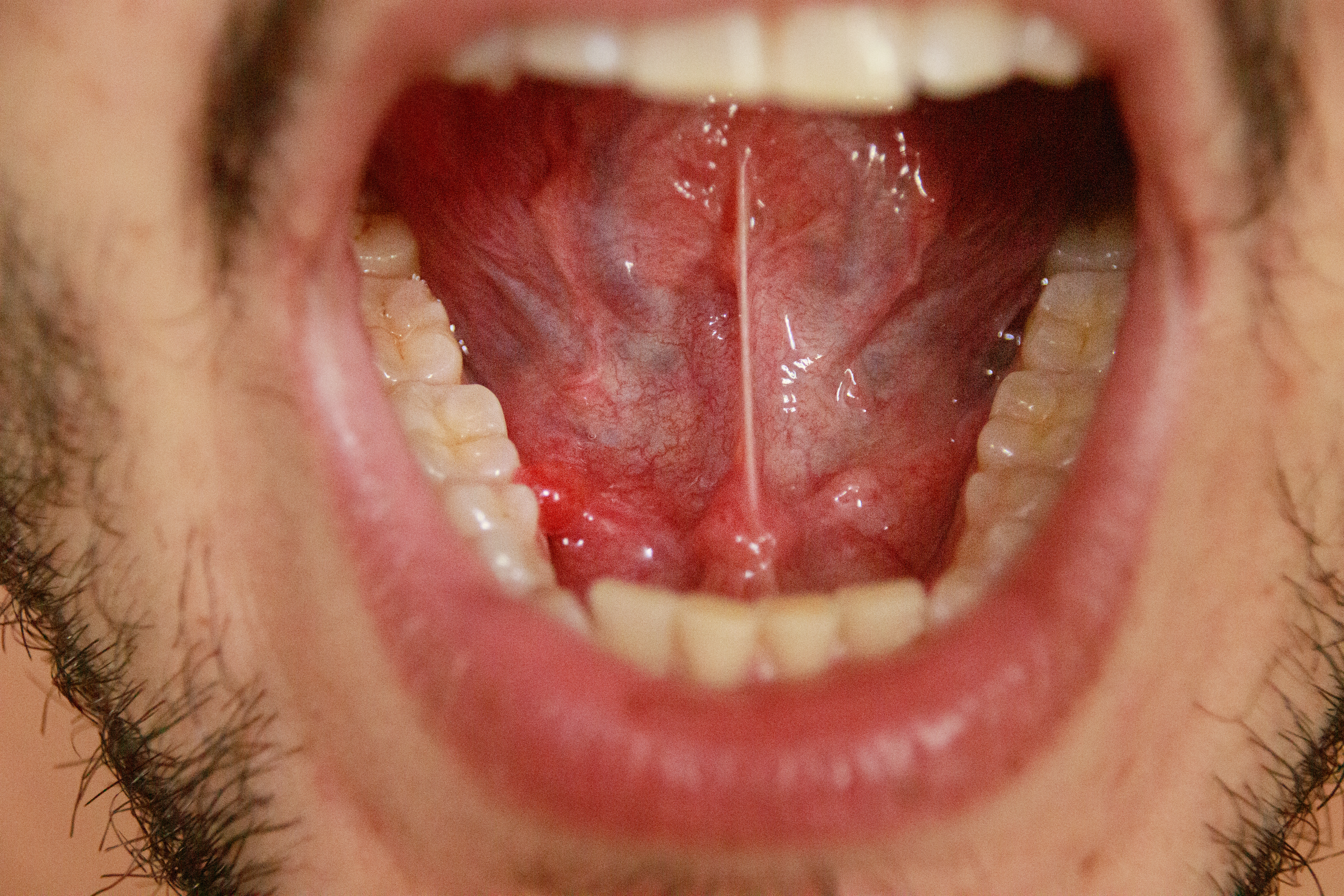
A mucocele almost always appears as a clear to semi-transparent, soft swelling. The surface is smooth, and it has some give when pressed. It usually causes little to no pain, and many people notice it by chance while eating or talking.
It’s usually a few millimeters to about a centimeter across, and because the surface is thin, it can rupture during eating and similar activities. When it ruptures, the fluid inside (saliva and mucus) comes out and it shrinks for a while, but it almost always fills up and swells again afterward. Because of this repeating cycle of “collapse and return,” a mucocele tends not to heal on its own.
As for color, it can look bluish if there’s a blood vessel directly beneath it. If the saliva contains some blood it can look reddish-purple, so appearance alone isn’t always enough to judge.
| Appearance | A clear to semi-transparent, soft swelling. The surface is smooth |
| Color | Usually clear to whitish. Can look bluish if a blood vessel is nearby |
| Pain | Usually little to none |
| Size | Usually a few millimeters to about a centimeter |
| Course | Shrinks for a while after rupturing, but usually fills up and returns |
Where a mucocele tends to form
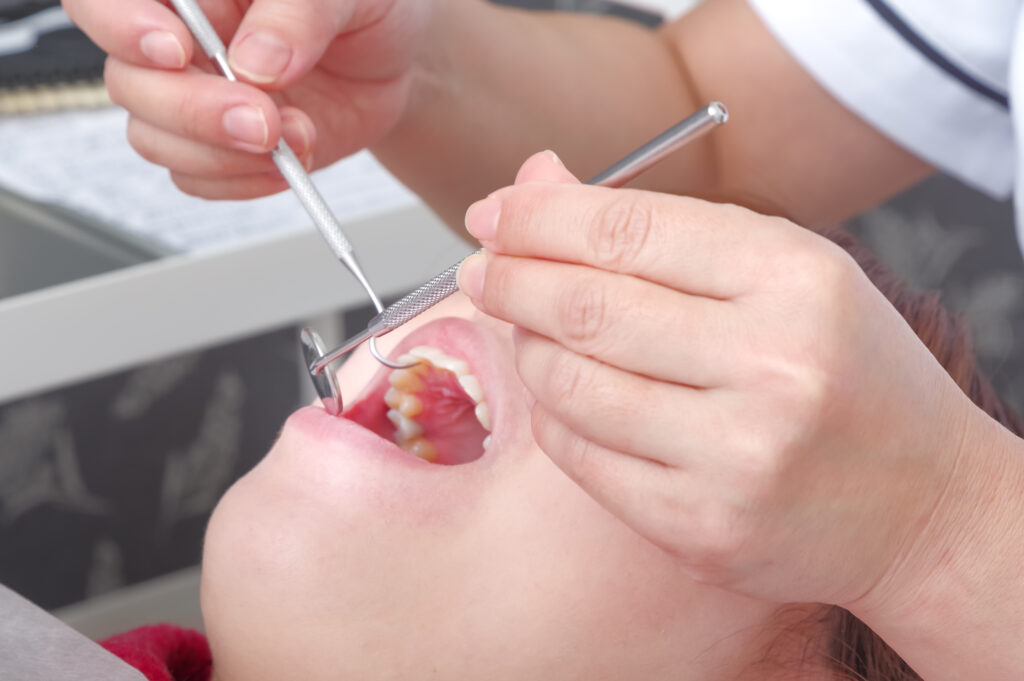
A mucocele can form anywhere in the mouth that has one of the many minor salivary glands, but some places are especially common.
The inside of the lower lip
This is the most common site. The lower lip is also an easy place to bite, which is thought to be one reason the opening of a minor salivary gland there gets injured.
Under the tongue (a ranula)
A large one that forms on the underside of the tongue (around the frenulum) is called a ranula. As it grows it can affect how the tongue moves, so we recommend dealing with it early.
Other sites
It can also form on the inside of the cheek, the palate (the roof of the mouth), the side of the tongue and similar places. Wherever it forms, if it keeps coming back we recommend considering treatment.
Does a mucocele heal on its own?

It can shrink for a while right after it ruptures, but it’s said to rarely heal completely on its own. Especially in cases that keep recurring, the minor salivary gland itself is often the problem, and unless it’s removed along with the gland tissue, the recurrence is likely to continue.
If you’ve been watching a mucocele that grows back after you think “it’s smaller now, so it’s fine,” please talk to us once. For a mucocele that keeps recurring, treating it early can sometimes mean less burden in the end.
Treatment process
Questions, and a check by sight and touch
We ask when the symptom started, whether it has ruptured before, and whether it keeps recurring. We examine the mouth by sight and touch, and check the size, firmness, position and color.
Diagnosis and explaining our plan
Based on what we find, we explain whether it’s likely a mucocele or whether another condition is possible. If treatment is needed, we explain what it involves, the risks, the cost and the recovery.
Surgical removal
Under local anesthesia, we remove the growth along with the minor salivary gland involved. Afterward we stitch the site and go over what to watch for until it heals.
Follow-up and removing the stitches
If we stitched the site, you’ll come back in about a week to have the stitches removed. We check that it has healed, and if there’s no problem the treatment is complete.
Aftercare

Don’t touch the area
On the day of treatment, avoid eating until the anesthesia wears off, then start with soft foods and eat a little at a time. Avoid touching the area with your tongue or pressing it with your finger, as this can get in the way of healing.
Rinse gently
Rinsing your mouth hard can affect how the wound heals, so please rinse gently for a while after treatment. Take any medicine we prescribe as directed.
Contact us early if something feels wrong
Swelling and pain usually settle within a few days, but please contact us early if you have strong pain that continues, swelling that keeps growing, or any other symptom that concerns you.
To help prevent it coming back
Repeated irritation to the same spot after treatment, such as a habit of biting your cheek or lip, can lead to it coming back. If anything concerns you at your follow-up visit, please let us know.
Frequently asked questions

Is a mucocele something bad? Can it turn into cancer?
A mucocele is a benign condition, and it’s said not to turn into cancer. That said, a growth in the mouth can sometimes look similar while being a different condition. Rather than judging it yourself, we recommend having it examined first.
Does treatment hurt?
Because we use local anesthesia for the procedure, you shouldn’t feel strong pain during it. Some discomfort or pain can occur once the anesthesia wears off, but this can usually be managed with the pain medication we prescribe.
Is it covered by insurance?
Removing a mucocele is covered by insurance. The cost varies with what the treatment involves, but we’ll explain it beforehand, so please don’t worry.
Can it come back after treatment?
When the related minor salivary gland is fully removed along with it, recurrence is uncommon. That said, it can come back if the same spot keeps being irritated or if the removal wasn’t complete. If it keeps recurring, please talk to us.
Can children have this treatment too?
Yes, we treat mucoceles in children too. Children tend to get them on the lower lip in particular. We check the state of the symptom, then explain whether treatment is needed and how it would be done.